


 Be The Investor Research
Marathon Petroleum's Refining Margin Nearly Doubled in the Second Quarter
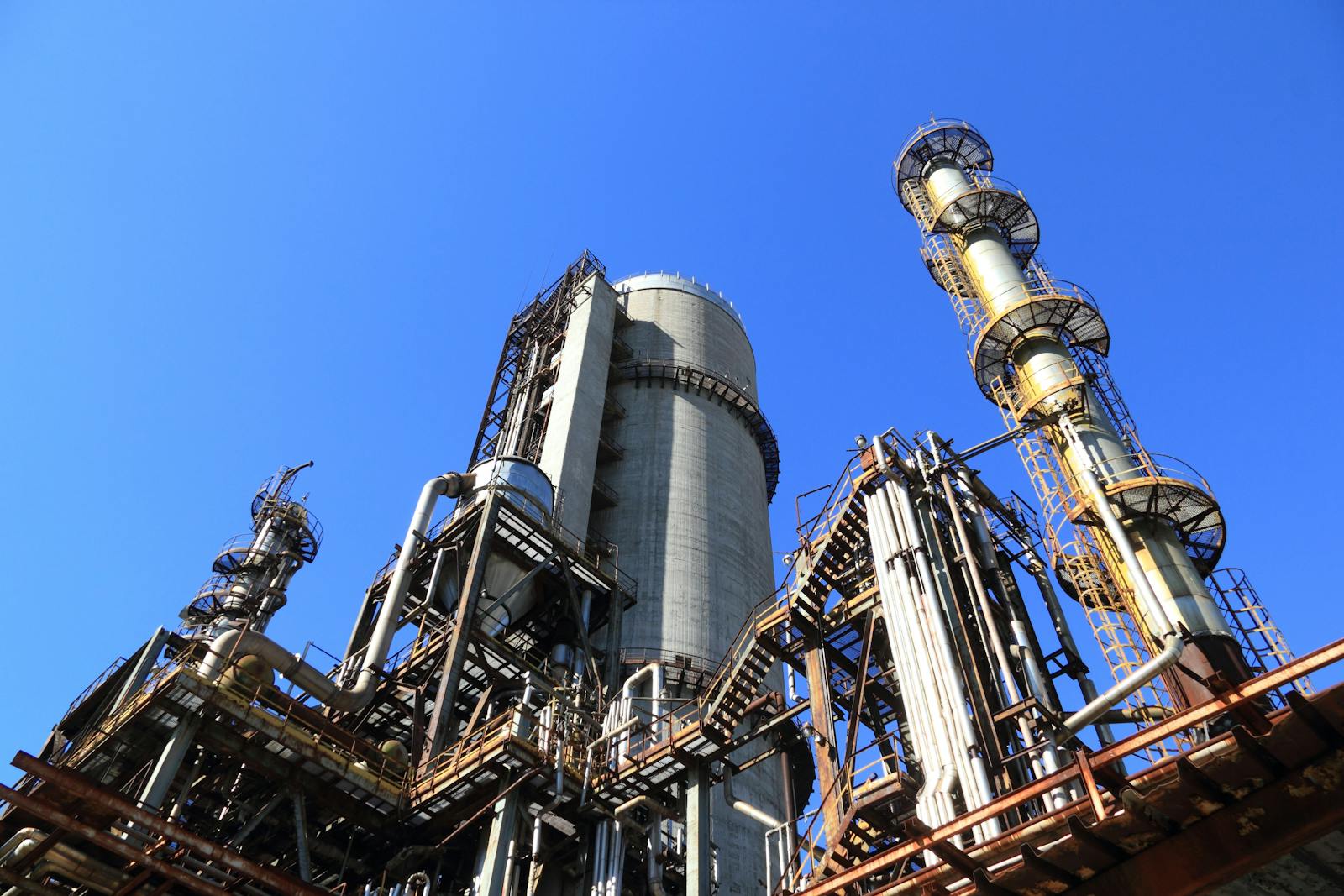
Marathon Petroleum's second-quarter refining margin rose to $36.33 per barrel from $17.58 a year earlier. The result explains the stock's strength, but investors still face a deeply cyclical earnings setup.
Marathon Petroleum's surge is easier to understand through refining economics than through comparisons with technology stocks. In the second quarter of 2026, the company's refining and marketing margin reached $36.33 per barrel, up from $17.58 a year earlier. That near doubling drove a sharp expansion in segment earnings.
The official results show refining and marketing adjusted EBITDA of $6.7 billion, compared with $1.9 billion in the prior-year quarter. Marathon ran its refineries at 94% utilization and processed 2.9 million barrels per day. Higher crack spreads, the difference between the price of refined products and crude oil, were the primary driver across regions.
The midstream business added $1.8 billion of adjusted EBITDA, up from $1.6 billion, while renewable diesel swung to $258 million of adjusted EBITDA from a $19 million loss. Those contributions make Marathon more than a pure bet on one refining spread, but refining remains the largest source of the quarter's earnings acceleration.
The source article emphasized analyst targets and the stock's strong 2026 performance. Those figures can describe sentiment, yet they should not be mistaken for durable operating evidence. Refining margins can contract quickly when product supply rises, demand weakens or crude-price relationships change. Operating costs also increased to $5.72 per barrel from $5.34, partly because of planned downtime.
The next earnings release needs to answer whether the unusually strong margin environment persisted into the third quarter. Investors should also watch utilization, turnaround spending, product inventories and the cash returned through buybacks and dividends. A high-margin quarter creates substantial cash, but the value of that cash depends on management's discipline at the top of the cycle.
Marathon's 2026 outperformance has a clear fundamental foundation: much stronger refining margins, high throughput and a profitable turn in renewable diesel. The risk is equally clear. A refiner can look cheapest precisely when current margins are above normal, so the stock should be judged on midcycle cash generation rather than on a single exceptional quarter.