


 Be The Investor Research
Microsoft’s 1.1 GW NiSource Deal Shifts AI Power Costs Off Ratepayers
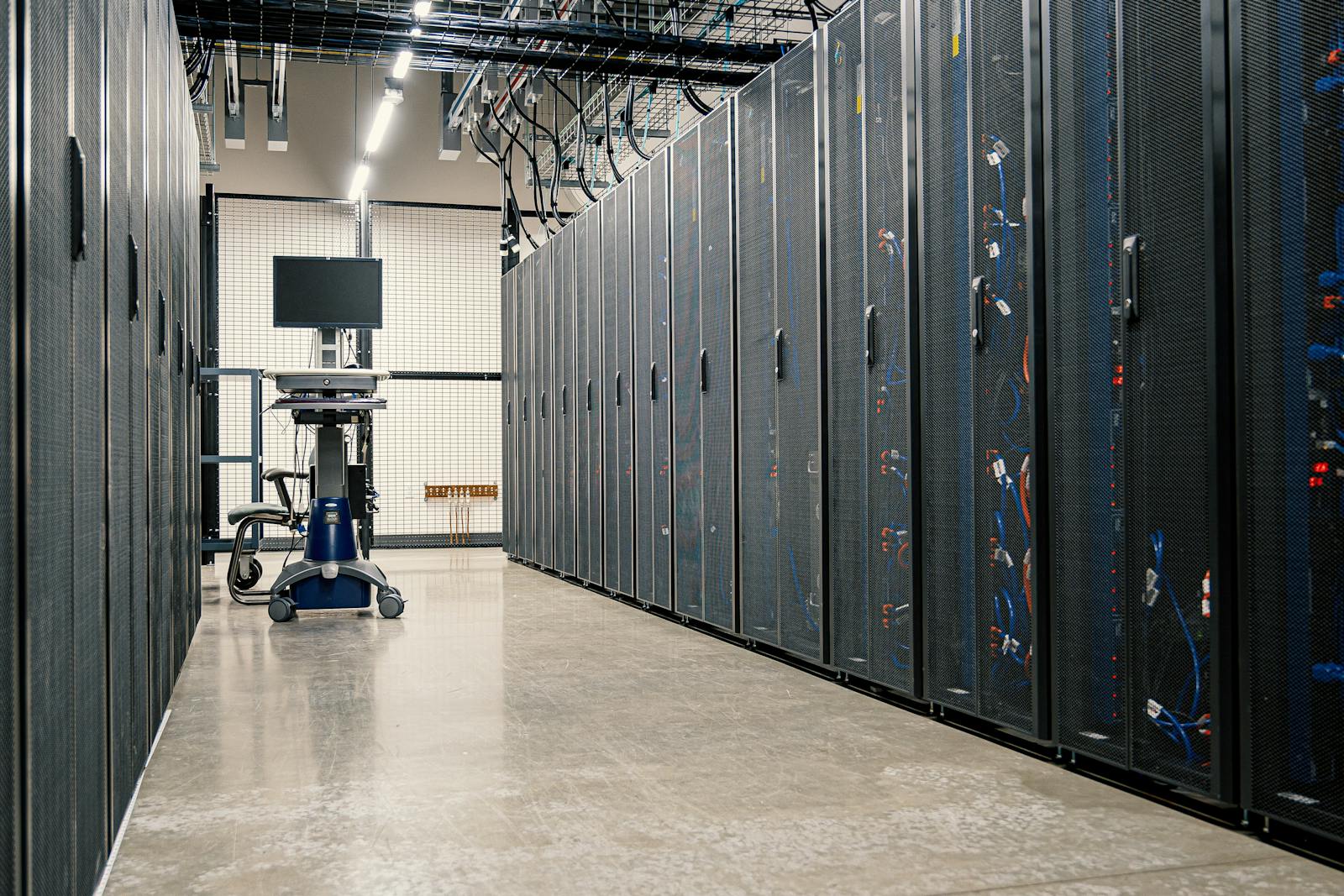
Microsoft will fund the generation and transmission for a 1.1 GW Indiana data center under a 20-year NiSource agreement, limiting customer exposure while giving the utility a large, long-dated load.
Microsoft has agreed to pay for the power infrastructure behind a roughly 1.1 gigawatt Indiana data center, giving NiSource a large new customer without asking existing utility customers to finance the project. The 20-year agreement is expected to begin in 2028, subject to regulatory approvals and the construction schedule.
NiSource said Microsoft will fund all generation and transmission required to serve the site. The plan also includes 600 megawatts of battery storage, which can help balance demand and generation but does not create energy on its own. The structure matters because data centers can require investments that would otherwise raise questions about who bears the cost if demand forecasts change.
For NiSource, the attraction is a long-lived block of electricity demand backed by one of the world’s largest technology companies. A contract of this size can improve visibility for capital planning and system utilization. It does not yet provide enough information to calculate the effect on earnings, however. NiSource has not disclosed the project’s allowed return, timing of capital spending, regulatory treatment or any minimum-payment protections.
Microsoft is solving a different problem. Its AI expansion requires chips, buildings, cooling and electricity to arrive in sequence. Securing utility capacity years before service begins reduces one bottleneck, but the agreement does not guarantee that every part of the campus will be completed on schedule or that the power will be available before 2028.
The arrangement also offers a useful model for regulators confronting data-center growth. Having the large-load customer fund dedicated infrastructure can protect households and smaller businesses from subsidizing speculative demand. Regulators will still need to examine how shared assets, operating costs and future upgrades are allocated.
NiSource said it expects to provide more financial detail with its third-quarter results on October 28. Investors should focus on the proposed return on the utility’s own capital, the amount of spending Microsoft will reimburse directly, and the protections in place if the campus opens later than planned. Until those terms are public, the deal is strategically positive for NiSource but not yet a quantifiable earnings catalyst.