



A $250,000 Dividend Plan Can Pay $11,500, With Concentration Risk
Five dividend stocks can produce about $11,500 a year on $250,000, but the apparent monthly rhythm masks uneven payments, sector concentration, inflation risk and company-specific threats to payout durability.
A $250,000 dividend portfolio can generate roughly $11,500 a year at the yields used in the source analysis, but the monthly-income framing can hide the risks that determine whether those payments last.
The proposed portfolio puts $50,000 into each of Verizon, Altria, AT&T, Chevron and Philip Morris International. At the stated forward yields, the five positions produce about $11,537 a year, or an average of $961 a month. The companies' quarterly payment calendars also spread cash receipts across the year.
That schedule is convenient, but it does not turn quarterly dividends into bond-like monthly income. Boards can change dividends, share prices alter yields, and the cash received in any given month will not be equal. Investors funding regular expenses still need a cash reserve rather than relying on a perfectly smooth calendar.
Coverage is the first test. Verizon raised its 2026 adjusted earnings guidance to $5.04 to $5.06 a share, compared with an annualized dividend of $2.83 based on its 2026 quarterly rate. Altria raised adjusted diluted earnings guidance to $5.66 to $5.74 and pays an annualized dividend of $4.44. Those figures suggest current earnings coverage, but neither company is free of business risk.
Verizon carries a large debt load and must keep investing in wireless spectrum, networks and fiber. Altria depends on price increases and smoke-free products to offset falling cigarette volumes. AT&T has improved its payout coverage since cutting its dividend in 2022, but its capital needs and leverage remain central. Philip Morris is growing smoke-free products such as IQOS and ZYN, while currency movements affect reported results and the dollar value of its global business.
Chevron adds commodity exposure. Its dividend is supported by an integrated oil and refining business, but cash flow changes with oil prices, refining margins and project spending. That cycle can diversify telecom and tobacco risk, yet it also makes portfolio income less predictable than a simple forward-yield calculation implies.
Concentration is the larger issue. Forty percent of the portfolio sits in tobacco, another 40% in U.S. telecom, and 20% in one oil producer. The companies may pay in different months, but payment timing is not economic diversification. A regulatory shock to tobacco or a capital-spending squeeze in telecom could hit two holdings at once.
Inflation is another constraint. The initial $11,537 of annual income equals a 4.61% portfolio yield, but purchasing power depends on future dividend growth. A stable dividend that fails to keep pace with inflation produces less real income each year.
The calculation is therefore a starting point, not a retirement plan. Before using the portfolio for spending, investors should test each payout against free cash flow, debt maturities and required capital spending. They should also decide how much exposure they want to tobacco, telecom and oil, and hold enough cash to cover months when dividends are lower or a company changes its payout.
Continue your VZ research
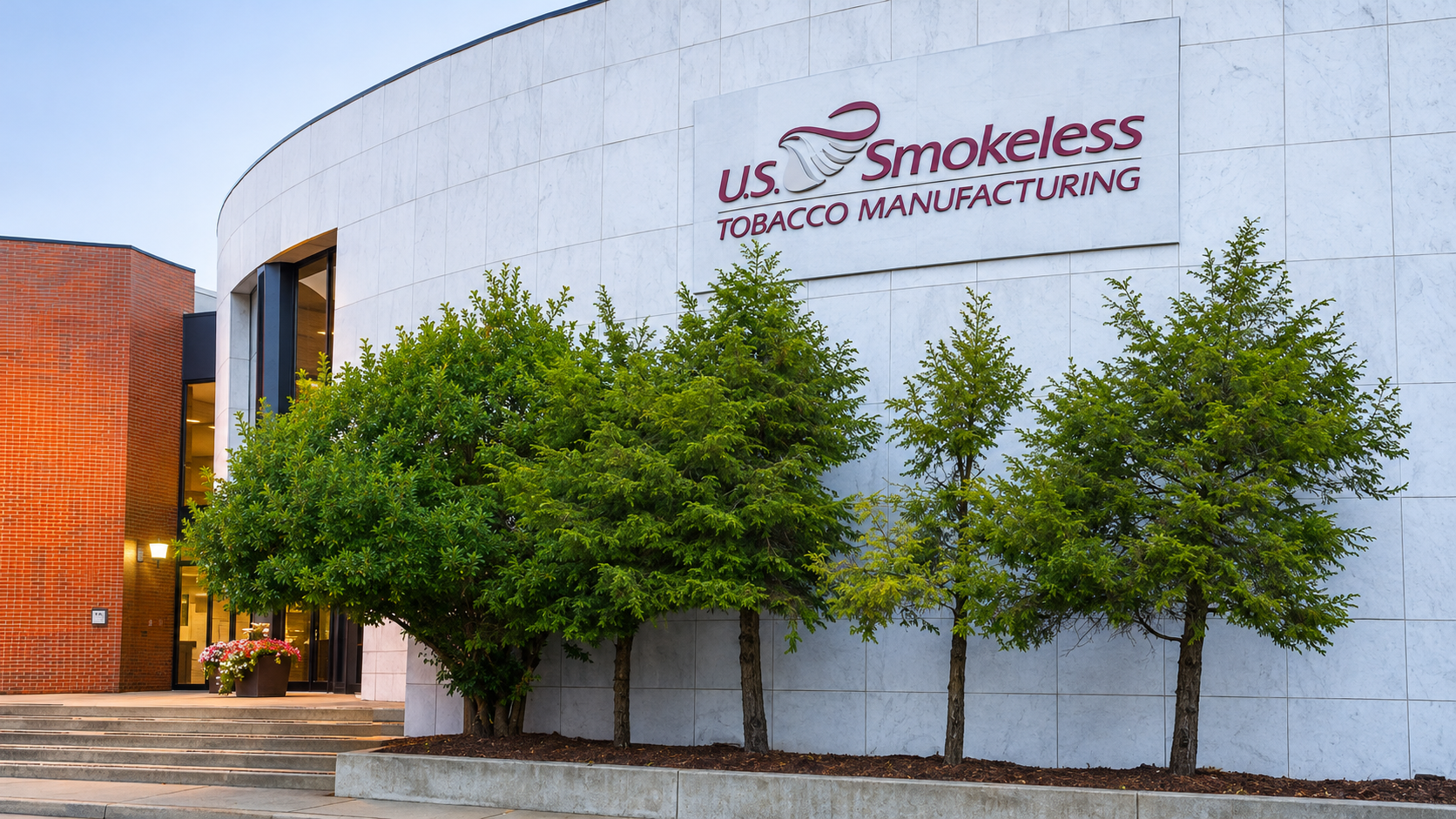
Image references: · Altria Group (Official factual visual reference; copyright retained. No Creative Commons grant claimed.)
Frequently asked questions
What is "A $250,000 Dividend Plan Can Pay $11,500, With Concentration Risk" about?
A five-stock portfolio can yield about $11,500 a year, but tobacco, telecom and oil concentration puts that income at risk.
Which stocks and assets does this article cover?
This article relates to VZ, T, CVX, PM.
What is the market context?
A $250,000 dividend portfolio can generate roughly $11,500 a year at the yields used in the source analysis, but the monthly-income framing can hide the risks that determine whether those payments last. The proposed portfolio puts $50,000 into each of Verizon, Altria, AT&T, Chevron and Philip Morris International. At the stated forward yields, the five positions produce about $11,537 a year, or…
When was this article published?
It was published on 04 / 11 / 2026 by Be The Investor Research.