



Target Pays More Than Lowe’s, but Tariff Relief Clouds the Comparison
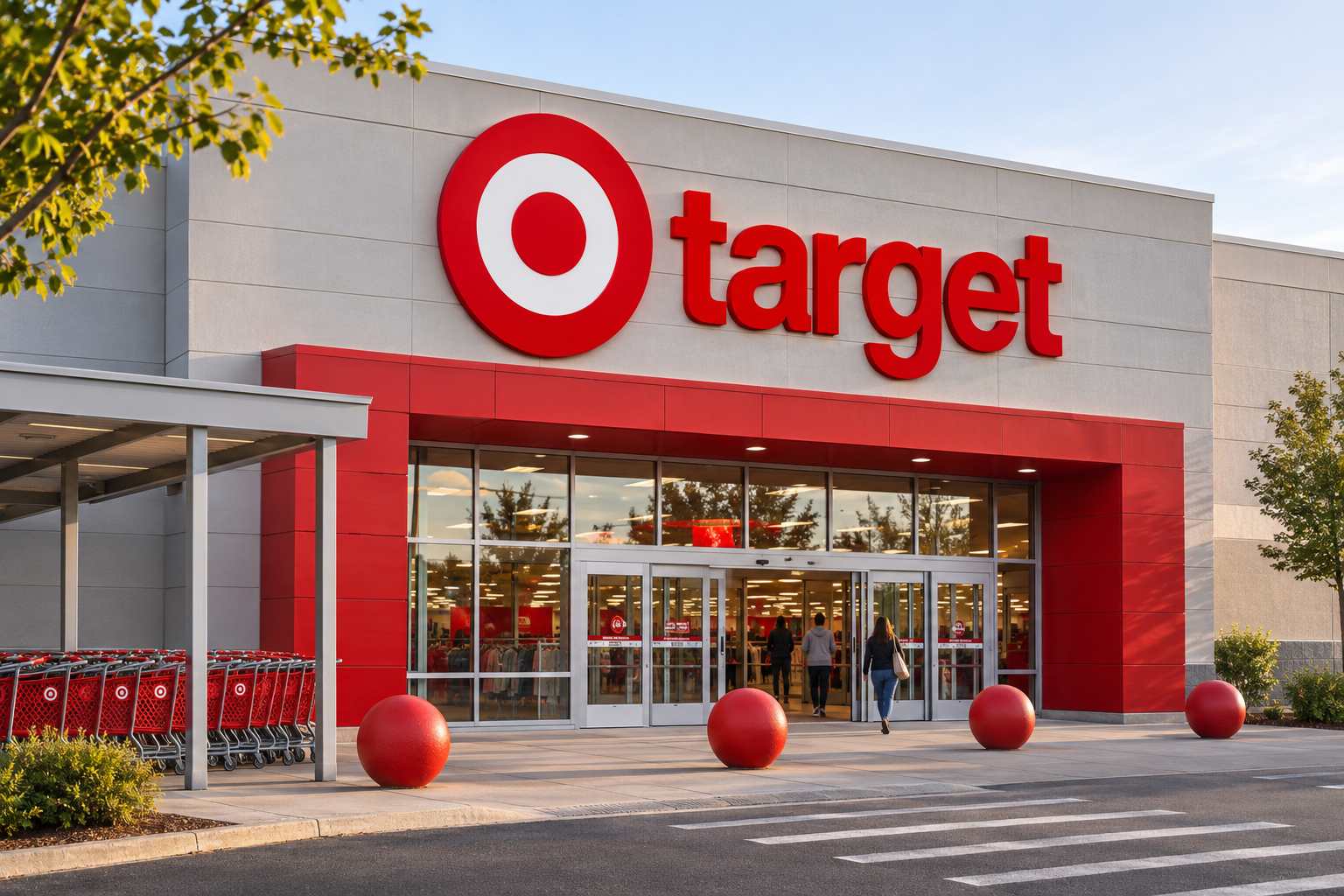
Target’s higher dividend yield comes with a more variable cash cushion. Its second-quarter profit included a tariff refund; Lowe’s covers its lower yield with more cash but is more exposed to a weak housing market.
Target reported $4.11 in earnings per share for the quarter ended August 1, against $2.05 a year earlier. That looks like a doubling until the one-time tariff benefit is removed. Target received $994 million in tariff refunds, a $1.65-per-share benefit; subtracting it leaves $2.46, still about 20% above the year-earlier reported figure. The company’s stronger quarter is real, but a comparison of dividends cannot assume that benefit repeats.
Target’s comparable sales rose 3.8% as traffic grew 3.6%; net sales grew 5.3% to $26.5 billion. It raised its sales outlook, though management said work on home and apparel would run into 2027 and beyond. TIKR put the dividend at 46% of free cash flow over the 12 months through August 1 and at 72% last fiscal year. It cited a 67% consensus ratio for the current fiscal year with about $3.13 billion of free cash flow. Target plans roughly $5 billion of capital spending, and its long-term objective of a 40% payout ratio is not guidance that it reaches 40% this year. The profit adjustment alone does not tell investors how much cash came in or what share of cash the dividend consumed.
Lowe’s comparable sales grew just 0.2% in the quarter ended July 31. Comparable transactions fell 2.1%, and weakness in weather-sensitive outdoor categories added to pressure on do-it-yourself sales. Online sales grew 15.7% and sales to professionals improved. Management cut its comparable-sales outlook to about flat and expects adjusted earnings of about $12.25 a share. Its Foundation Building Materials acquisition expands its professional business but adds exposure to new construction and comes with more debt to manage.
Lowe’s declared a $1.25 quarterly dividend, while Target raised its payout 1.8% this year. TIKR estimated that Lowe’s paid about 38% of free cash flow in dividends over the 12 months through July 31 and that its ratio would be about 36% this fiscal year. Target, however, had lower net debt at about 1.5 times EBITDA versus 2.7 for Lowe’s in TIKR’s snapshot. Coverage from cash and financial leverage tell investors about different constraints.
At the November yields TIKR used, $10,000 invested would produce about $290 a year from Target or $220 from Lowe’s before tax. If the two payouts subsequently grew at 1.8% and 4.4%, respectively, Lowe’s would need roughly 11 increases to catch up. Neither retailer has promised those raises. Target’s higher starting payment must compete with investment in stores and other capital projects; Lowe’s has more cash headroom at the moment but needs professional demand and home improvement sales to support it if housing stays weak.
Continue your LOW research
Image references: · מקור ייחוס · מקור ייחוס · מקור ייחוס
Frequently asked questions
What is "Target Pays More Than Lowe’s, but Tariff Relief Clouds the Comparison" about?
Target’s higher yield comes with more variable cash coverage and a tariff refund. Lowe’s has more dividend headroom but faces weak housing demand.
Which stocks and assets does this article cover?
This article relates to LOW.
What is the market context?
Target reported $4.11 in earnings per share for the quarter ended August 1, against $2.05 a year earlier. That looks like a doubling until the one-time tariff benefit is removed. Target received $994 million in tariff refunds, a $1.65-per-share benefit; subtracting it leaves $2.46, still about 20% above the year-earlier reported figure. The company’s stronger quarter is real, but a comparison of…
When was this article published?
It was published on 17 / 11 / 2026 by Be The Investor Research.