



Lilly's China Lead Puts the Economics of Obesity Pills to the Test
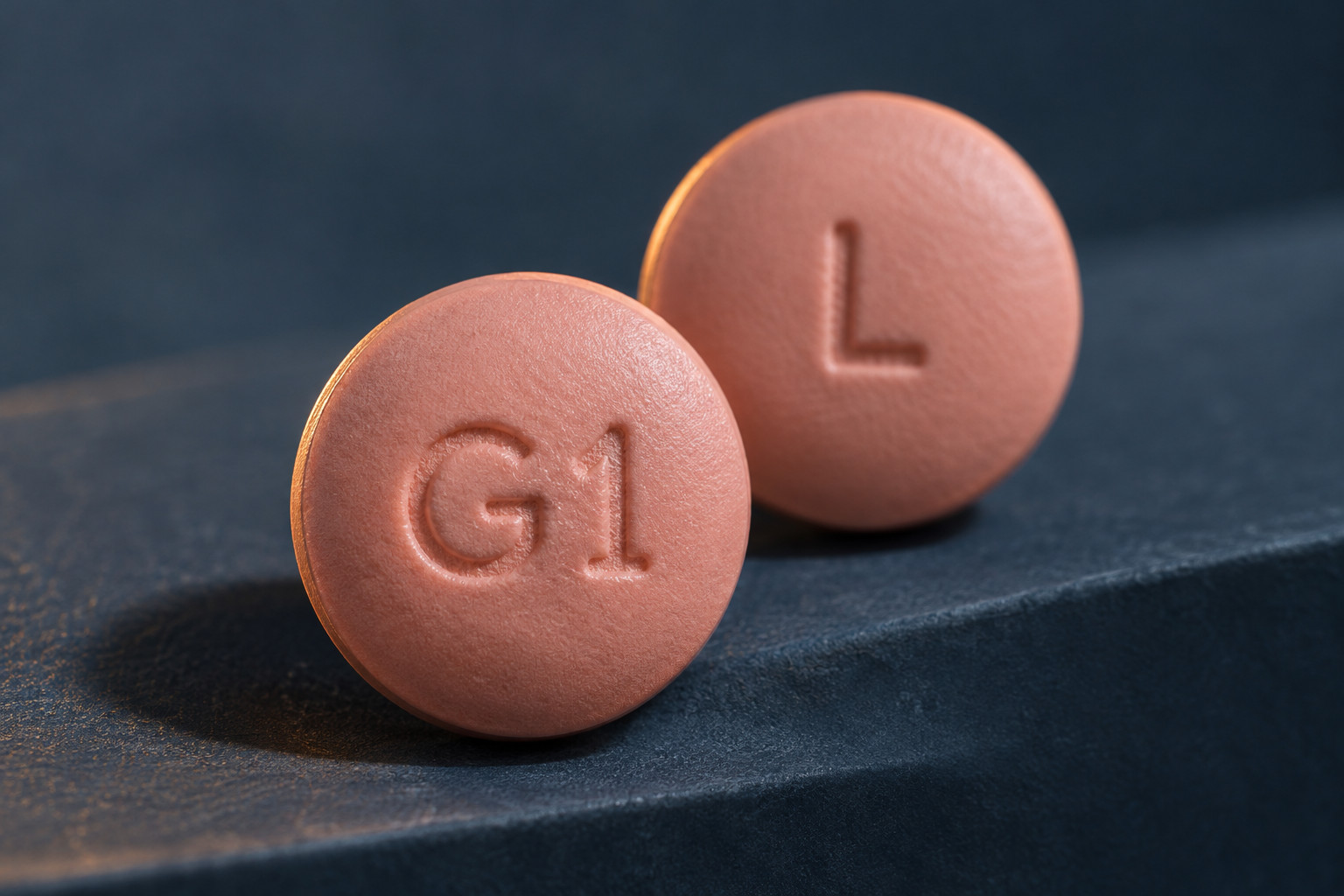
China cleared Lilly's orforglipron before Novo's oral Wegovy. The approval opens a route to market, but separate trials cannot establish a clinical winner, and launch pricing and access remain unknown.
China has approved Eli Lilly's orforglipron for weight management, the country's first approval for an oral GLP-1 medicine for that use, Reuters reported on November 12. Approval in the world's second-largest pharmaceutical market gives Lilly a chance to reach patients who prefer a tablet to an injection. It does not give the company a price, a reimbursement decision or a guarantee that patients will stay on treatment.
Lilly said it was preparing to supply the drug through authorized healthcare and pharmaceutical institutions, without disclosing a Chinese price. The medicine, branded Foundayo in the United States, competes not only with other drugmakers' products but also with Lilly's own weekly obesity injection. Some sales could come from people starting treatment for the first time; others could simply move from an injectable product. How much the tablet expands the market depends in part on where people can get it and what it costs.
Novo Nordisk said China accepted its application for oral Wegovy in August. Acceptance for review is not approval. Sydbank analyst Soren Lontoft Hansen told Reuters he expected Novo's pill to outpace Lilly's if approved, citing weight loss. The studies behind that comparison do not rank the pills directly. In the OASIS 4 trial, the 25-milligram oral semaglutide group lost an estimated 13.6% of body weight at 64 weeks versus 2.2% on placebo. In ATTAIN-1, the 36-milligram orforglipron group lost 11.2% at 72 weeks versus 2.1% on placebo. The drugs were not compared in one randomized trial, and the results come from different populations and study periods.
Access could matter as much as those clinical figures. Hansen pointed to restrictions on online weight-loss sales and the possibility of semaglutide copies entering the market in 2027, which could put pressure on prices. Reuters also identified potential competition from Pfizer and China's Innovent, in addition to Novo. China's National Health Commission has estimated that the proportion of people who are overweight or obese could exceed 65% by 2030, up from roughly half in 2020. That is not an estimate of the number eligible for or able to afford treatment.
J.P. Morgan's Yang Huang forecasts that annual Chinese sales of GLP-1 weight-management drugs could reach 30 billion yuan within five to seven years, up from an estimated 3 billion to 4 billion yuan. That is a forecast for the category, not Lilly. The commercial value of being first will be clearer when Lilly announces pricing and distribution, and when doctors and patients can choose between more than one oral treatment.
Continue your NVO research
Image references: · U.S. Food and Drug Administration · U.S. National Library of Medicine / Eli Lilly
Frequently asked questions
What is "Lilly's China Lead Puts the Economics of Obesity Pills to the Test" about?
China's orforglipron approval gives Lilly an early lead, but competing trials, pricing and distribution limit what investors can infer.
Which stocks and assets does this article cover?
This article relates to NVO.
What is the market context?
China has approved Eli Lilly's orforglipron for weight management, the country's first approval for an oral GLP-1 medicine for that use, Reuters reported on November 12. Approval in the world's second-largest pharmaceutical market gives Lilly a chance to reach patients who prefer a tablet to an injection. It does not give the company a price, a reimbursement decision or a guarantee that patients…
When was this article published?
It was published on 13 / 11 / 2026 by Be The Investor Research.