


 Be The Investor Research
Why U.S. construction bids can rise even as spending falls
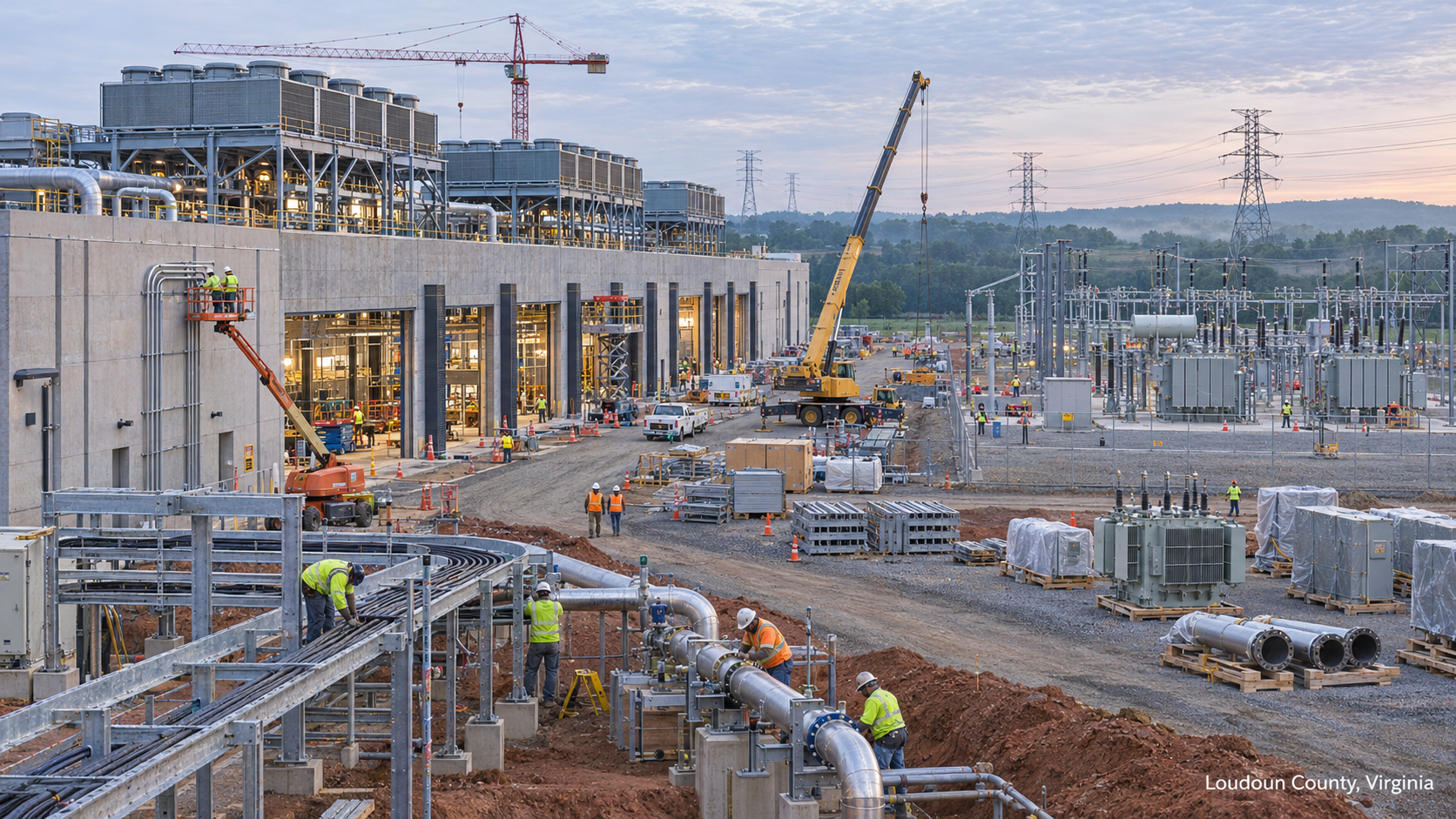
JLL expects U.S. construction bids to rise 3.1% to 4.2% in 2027. Data centers and power projects compete for the same skilled trades, so even developers in slower parts of the market can face higher costs and longer schedules.
U.S. spending on nonresidential construction and civil projects is falling after inflation, but that has not made specialized crews easier to hire. JLL forecasts that the prices contractors quote for projects will rise 3.1% to 4.2% in 2027, above the 2% to 3% annual pace it cites for the years before 2020. JLL expects smaller increases than in recent years, but much of the work is concentrated: data centers and power projects need many of the same crews, often in the same places.
In its November 12 outlook, JLL expects real spending on nonresidential and civil construction to fall for a second year in 2026. It expects a recovery in 2027 that still leaves spending below its 2024 peak through 2028. Data centers are the only segment in its forecast with higher real spending in 2026. JLL expects growth to spread to power, civil projects and other construction next year. Until then, fewer projects nationally do not mean that an owner in a busy market can get a better price.
The skills that are scarce are central to what data centers cost. CRE Daily, citing JLL's global cost index, puts mechanical, electrical and plumbing work at 50% to 58% of a data center's budget, versus 28% to 32% for a conventional commercial building. That includes work such as installing cooling, power distribution and piping. A hospital, factory or apartment project needing the same trades can face a higher bid or a longer wait even if its own sector is slowing. CBRE counted 7,481 megawatts of capacity under construction across eight primary North American data center markets in the first half of 2026, up 24.8% from a year earlier. More than 80% was already leased ahead of completion, versus 74.3% a year earlier. That is a measure of capacity being built and committed to tenants, not electricity use or a count of projects in the planning queue.
The South illustrates the distinction between prices and schedules. JLL expects it to contribute more to U.S. nonresidential growth in 2027 than any other region. By 2028, the amount of construction put in place per worker there is projected to be around 11% above the national 2025 average. That is a workload measure, not an 11% forecast for worker productivity or wages. The Northeast stays below that benchmark in the forecast, while the Midwest and West ease. CRE Daily reported that the South nevertheless had the lowest bid-price forecast range of the four regions. Difficulty hiring crews can show up as longer schedules even where annual bid-price increases are smaller.
Materials can raise bids after a delay. JLL says material prices have risen faster than bids since mid-2025. CRE Daily reported that bids tend to trail material costs by about nine months, which would put some of the effect of late-2026 increases into 2027 bids. JLL expects contractors with big data center backlogs to raise bids first as they try to restore margins. Tariffs can lift metal and equipment prices, while energy disruptions in the Middle East can reach imported materials through production and transport costs. The Congressional Research Service says the U.S. decision not to extend the North American trade agreement in its current form means the countries now have to conduct annual reviews. It did not terminate the agreement in July. What matters for a project today is which inputs are exposed and who pays if a price changes before an order is placed.
Housing shows why the construction forecast is not a story of strong demand everywhere. The National Association of Home Builders' multifamily production index fell five points from a year earlier to 41 in the third quarter. That survey measures sentiment, not the price of bids or the number of buildings started. A multifamily developer may still compete for electricians or pipefitters in a market with several large projects underway. For developers, the practical distinction is between a higher fixed bid and a cheaper offer that leaves them paying for later price increases or delays. JLL recommends updating estimates as designs progress and budgeting for those risks rather than relying on one escalation rate. Local opposition can delay some data center projects and release crews, but if financing eases, deferred projects could return to already busy markets and compete for that capacity.
Image references: · מקור ייחוס · מקור ייחוס · מקור ייחוס · מקור ייחוס · מקור ייחוס
Frequently asked questions
What is "Why U.S. construction bids can rise even as spending falls" about?
JLL forecasts U.S. construction bids will rise 3.1% to 4.2% in 2027 as data centers and power projects compete for scarce skilled trades.
What is the market context?
U.S. spending on nonresidential construction and civil projects is falling after inflation, but that has not made specialized crews easier to hire. JLL forecasts that the prices contractors quote for projects will rise 3.1% to 4.2% in 2027, above the 2% to 3% annual pace it cites for the years before 2020. JLL expects smaller increases than in recent years, but much of the work is concentrated:…
When was this article published?
It was published on 17 / 11 / 2026 by Be The Investor Research.