



Iran-linked hackers blamed for cyber-attack that shut down UK power plant
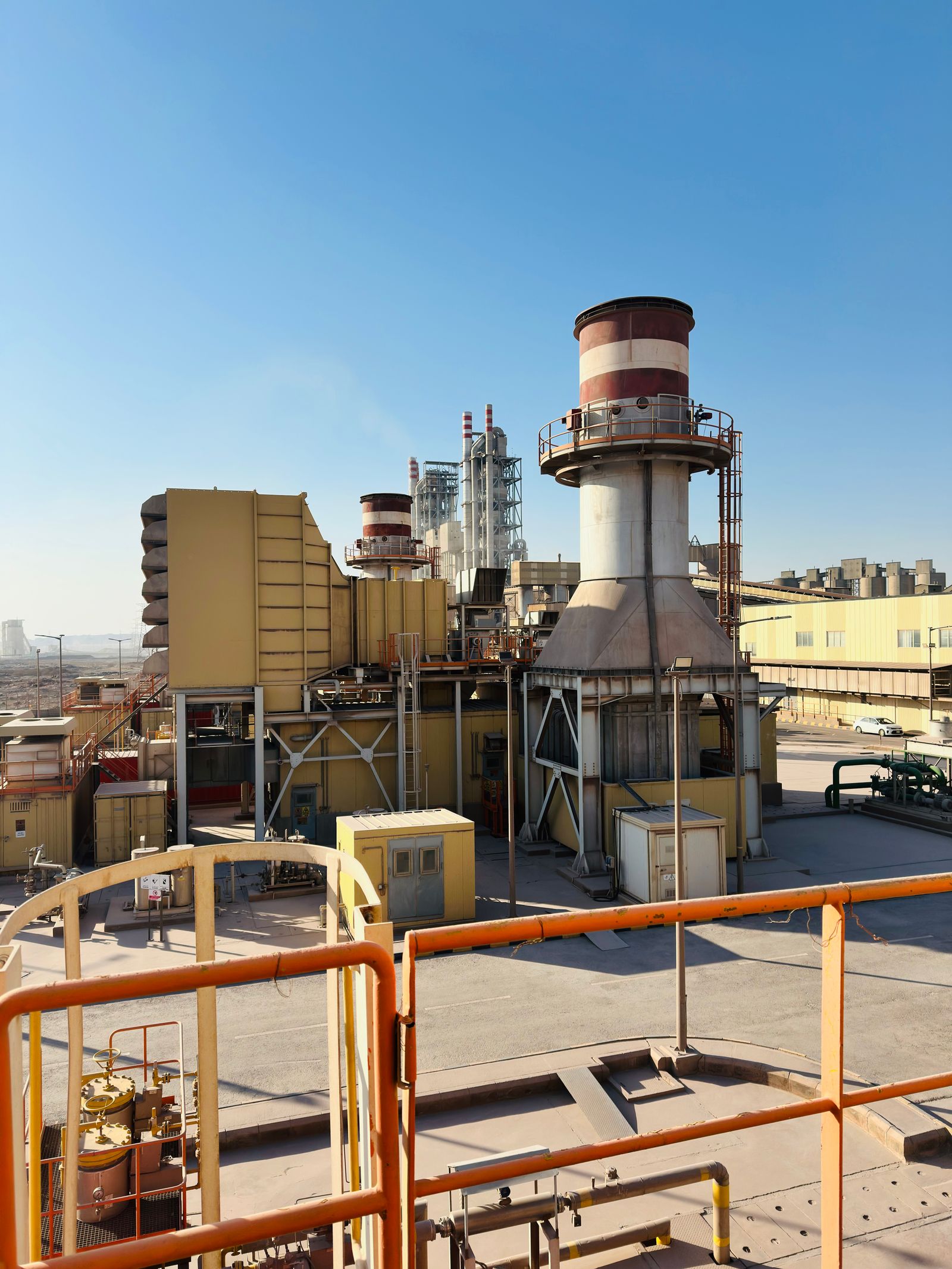
The attack affected a small-scale generator without threatening Britain’s wider energy system, but highlights rising state-linked cyber risks, energy-security vulnerabilities, potential costs for infrastructure operators and pressure for dependable domestic generation.
Hackers linked to Iran were blamed for an attack that shut a British power plant for four days last month, according to the Sunday Telegraph. The UK government said the facility was a small-scale energy generator and that there was never a risk to the wider energy system. The Department for Energy Security and Net Zero said Britain’s energy system was highly resilient and that officials work with the sector to protect infrastructure and maintain high security standards. The National Cyber Security Centre (NCSC), which handles critical-infrastructure attacks, is understood to have received no reported outages from regulated power-station operators. The incident nevertheless suggests an apparent escalation after the UK allowed the US to launch “defensive” operations against Tehran from British bases hosting American aircraft. Britain has refused to support offensive operations. That policy was unchanged under new prime minister Andy Burnham, who was notified last week that the agreement with the US would be extended. The Islamic Revolutionary Guard Corps (IRGC) warned last month that any base used for aggression against Iranian territory would be a legitimate target. The Conservatives described the shutdown as a “new kind of warfare”. Energy spokesperson Claire Coutinho said Britain should prioritise cheap, reliable energy, warning that reliance on imported gas and electricity, combined with insufficient reliable gas or nuclear backup plants, increased vulnerability. NCSC chief executive Richard Horne warned this year that Russia, China and Iran were increasingly targeting systems behind key UK services. Iran has also been accused of involvement in a massive Turkish power outage in 2015 and possible breaches of Israeli government websites in 2022. US security agencies warned earlier this year of IRGC-linked attacks on critical infrastructure. The US has alleged that the Iran-affiliated group CyberAv3ngers compromised at least 75 devices across multiple infrastructure sectors in 2023. For investors, the episode reinforces the value of resilient energy networks while increasing scrutiny of cybersecurity, backup generation and geopolitical exposure. Sustained attacks could raise security costs and intensify pressure for domestic capacity.