


 Be The Investor Research
Hawkins' Water Treatment Growth Lifts Q2 Profit, but Comparisons Get Harder
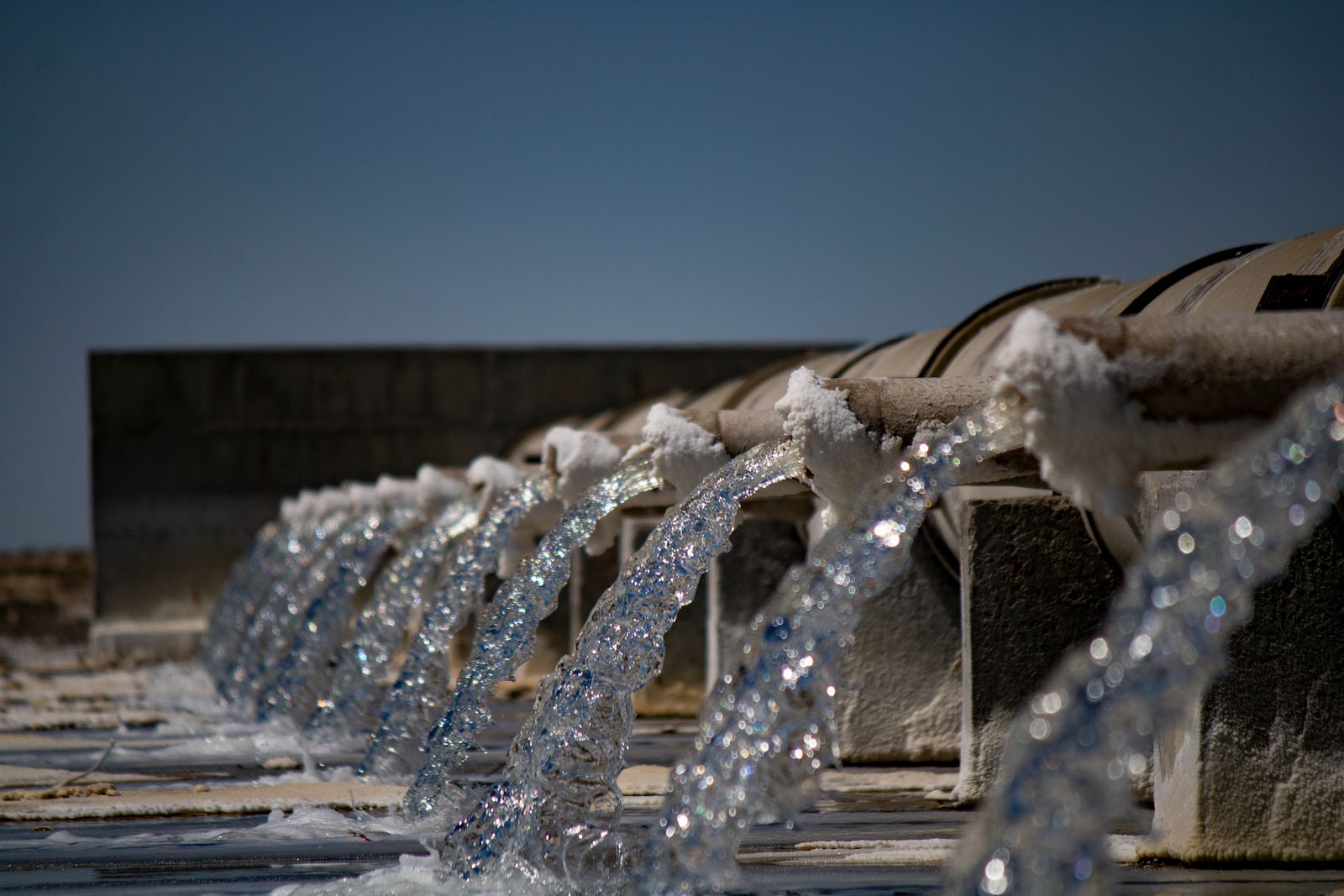
Hawkins posted 12% revenue growth and record adjusted EBITDA as water-treatment volumes climbed. Tariff refunds, LIFO costs, acquisition spending and a tougher second-half expense comparison complicate the next test.
Hawkins' water-treatment business carried another quarter of broad growth, but the details matter more than the earnings beat. Fiscal second-quarter sales rose 12% from a year earlier to $313.8 million, while net income increased 23% to $27.8 million and diluted earnings per share reached $1.34, up from $1.08. InvestorsHub reported consensus estimates of $302.7 million in revenue and $1.19 per share. The shares rose after the release, although the exact after-hours move varied by market snapshot.
Water Treatment supplied most of the increase. Segment sales rose 16% to $175.0 million, including 14% organic growth driven mainly by volume and stronger municipal demand. Acquired businesses contributed about $3.7 million. Food & Health Sciences sales rose 5% to $76.7 million as higher nutrition, food-ingredient and pharmaceutical volumes more than offset weaker agricultural sales. Industrial Solutions revenue increased 10% to $62.2 million because pricing and product mix outweighed lower volume.
The profit mix was less uniform. Consolidated gross profit rose 13% to $76.6 million, leaving the gross margin at roughly 24%. Water Treatment gross profit climbed 20% to $51.7 million and its margin improved to 30% from 29%. Industrial Solutions gross profit rose 12% to $10.0 million with a 16% margin. Food & Health Sciences gross profit fell 4% to $14.9 million and its margin narrowed to 19% from 21%, as lower food and pharmaceutical margins outweighed the benefit of higher sales.
Raw-material accounting and tariff refunds also affected the comparison. A higher LIFO inventory reserve reduced current-quarter gross profit by $1.9 million, versus $0.3 million a year earlier. That $1.6 million year-over-year drag was partly offset by $1.3 million of refunds for previously paid tariffs. Fuel costs also rose faster than the freight charges Hawkins recovered from customers.
Adjusted EBITDA reached a record $59.1 million, up 16% on the company's current definition. Hawkins revised that definition in fiscal 2026 to exclude non-cash earnout expense and recast the prior-year figure to $50.9 million from the originally reported $50.4 million. That change is small, but it is important for a clean comparison.
Cash generation supported both expansion and shareholder returns. For the first six months of fiscal 2027, operating cash flow rose 6% to $75.5 million and company-defined free cash flow increased 14% to $53.1 million. Hawkins used cash to repurchase $18.6 million of stock, reduce debt by $15.0 million and pay $8.1 million in dividends. It repurchased $12 million of stock in the second quarter and declared a $0.20 quarterly dividend.
The company ended the quarter with $229.0 million of debt and net leverage of 1.22 times trailing adjusted EBITDA, down from 1.37 times at the end of fiscal 2026 and 1.54 times a year earlier. It also bought Florida water-treatment distributor Dave Symonds & Associates and, after quarter-end, acquired Eagle Labs in the Dallas-Fort Worth area. Hawkins did not disclose the purchase prices or each deal's expected earnings contribution.
Management expects second-half operating trends to resemble the first half, but the year-over-year expense comparison will get harder. The second half of fiscal 2026 included a non-recurring $6.2 million reduction in selling, general and administrative expense that will not repeat. For investors, the next test is whether Water Treatment can keep producing volume-led organic growth while Hawkins absorbs acquisitions and loses that favorable cost comparison.