


 Be The Investor Research
Hut 8's AI Expansion Is Large, but Its Earnings Quality Still Needs Work
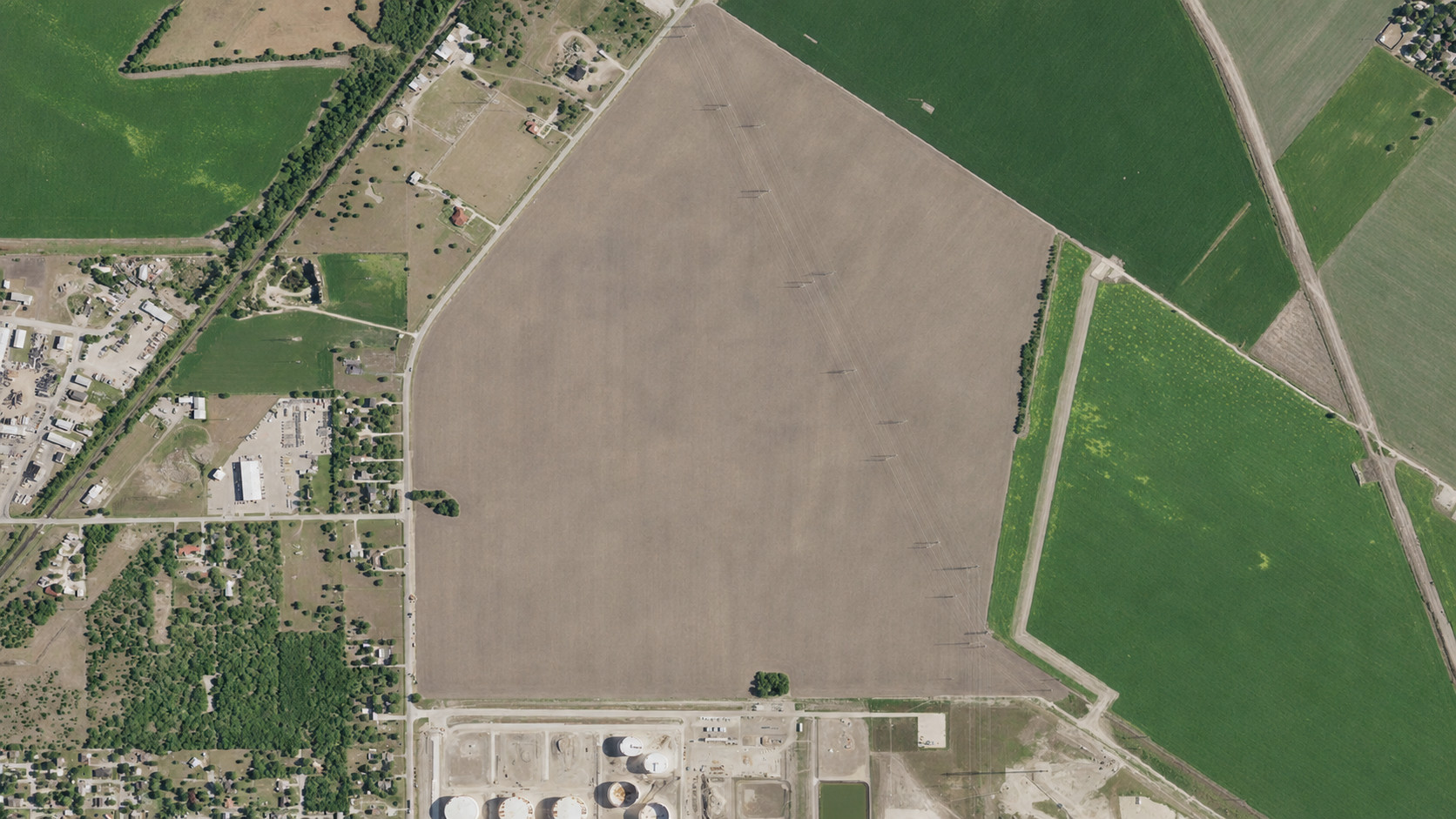
Hut 8 has contracted major AI data-center capacity, but lower revenue, unrealized digital-asset gains, bitcoin-funded repurchases and heavy capital needs complicate the transition to infrastructure income.
Hut 8 is trying to turn a bitcoin-mining platform into a contracted AI infrastructure business. The scale of that transition is becoming clearer, but the third-quarter accounts also show why investors remain cautious.
Revenue fell to $71.1 million from $83.5 million a year earlier. The company reported net income of $189.5 million, yet that figure included $413.8 million of gains primarily tied to the change in value of digital assets. Because much of that gain was unrealized, it did not represent cash generated by ordinary operations. Adjusted EBITDA excluding mark-to-market effects was $33 million, a more useful measure of the underlying quarter.
The growth case rests on long-duration AI contracts. Hut 8 said its Beacon Point development became fully commercialized after a second 352-megawatt information-technology lease. The company put aggregate AI contract value at about $26.6 billion and said 1,330 megawatts were under construction.
Delivery dates matter because rent cannot begin before usable capacity is handed to customers. Hut 8 targets the first River Bend data hall for the second quarter of 2027, Beacon Point's first phase for the third quarter of 2027 and the second phase for the second quarter of 2028. Delays in power, construction or permitting would push cash generation further out while financing costs continue.
Liquidity is therefore central. Hut 8 cited a $1.07 billion revolving facility, but it also used bitcoin sales to support share repurchases. It bought back $74.7 million of stock during the quarter and another $175.3 million after quarter-end, under a total authorization that reached $1 billion. Repurchases can add value when shares are cheap, but selling a liquid reserve to fund buybacks while building capital-intensive campuses reduces the cushion available for execution problems.
The market should separate three things that the reported net-income line combines imperfectly: the cash performance of existing operations, changes in the value of bitcoin holdings and the future economics of contracted AI campuses. The AI contracts may create a more predictable business than mining, but that stability arrives only after projects are financed, built and delivered.
The next useful evidence will be construction milestones, committed financing and base-rent generation. Until those appear, the size of the contract backlog is promising but not equivalent to realized cash flow.
Image references: · USGS, The National Map (Public domain (USGS National Map data))
Frequently asked questions
What is "Hut 8's AI Expansion Is Large, but Its Earnings Quality Still Needs Work" about?
Hut 8's AI contracts are large, but lower revenue, unrealized gains and capital needs make delivery and financing the key tests.
What is the market context?
Hut 8 is trying to turn a bitcoin-mining platform into a contracted AI infrastructure business. The scale of that transition is becoming clearer, but the third-quarter accounts also show why investors remain cautious. Revenue fell to $71.1 million from $83.5 million a year earlier. The company reported net income of $189.5 million, yet that figure included $413.8 million of gains primarily tied…
When was this article published?
It was published on 13 / 11 / 2026 by Be The Investor Research.