


 Be The Investor Research
Hut 8's AI Campus Plan Moves From Contracts to Construction Risk
Hut 8 expanded contracted AI data-center capacity and says River Bend and Beacon Point remain on schedule. The opportunity is large, but delivery dates, project financing and restricted liquidity now matter more than quarterly mining revenue.
Hut 8's investment case is moving away from bitcoin mining results and toward a more demanding test: delivering two large artificial-intelligence data-center campuses on time and financing them without issuing parent-company equity. The third-quarter update showed measurable construction progress, new contracted capacity and substantial liquidity, but it also concentrated the next year of execution risk around a few deadlines.
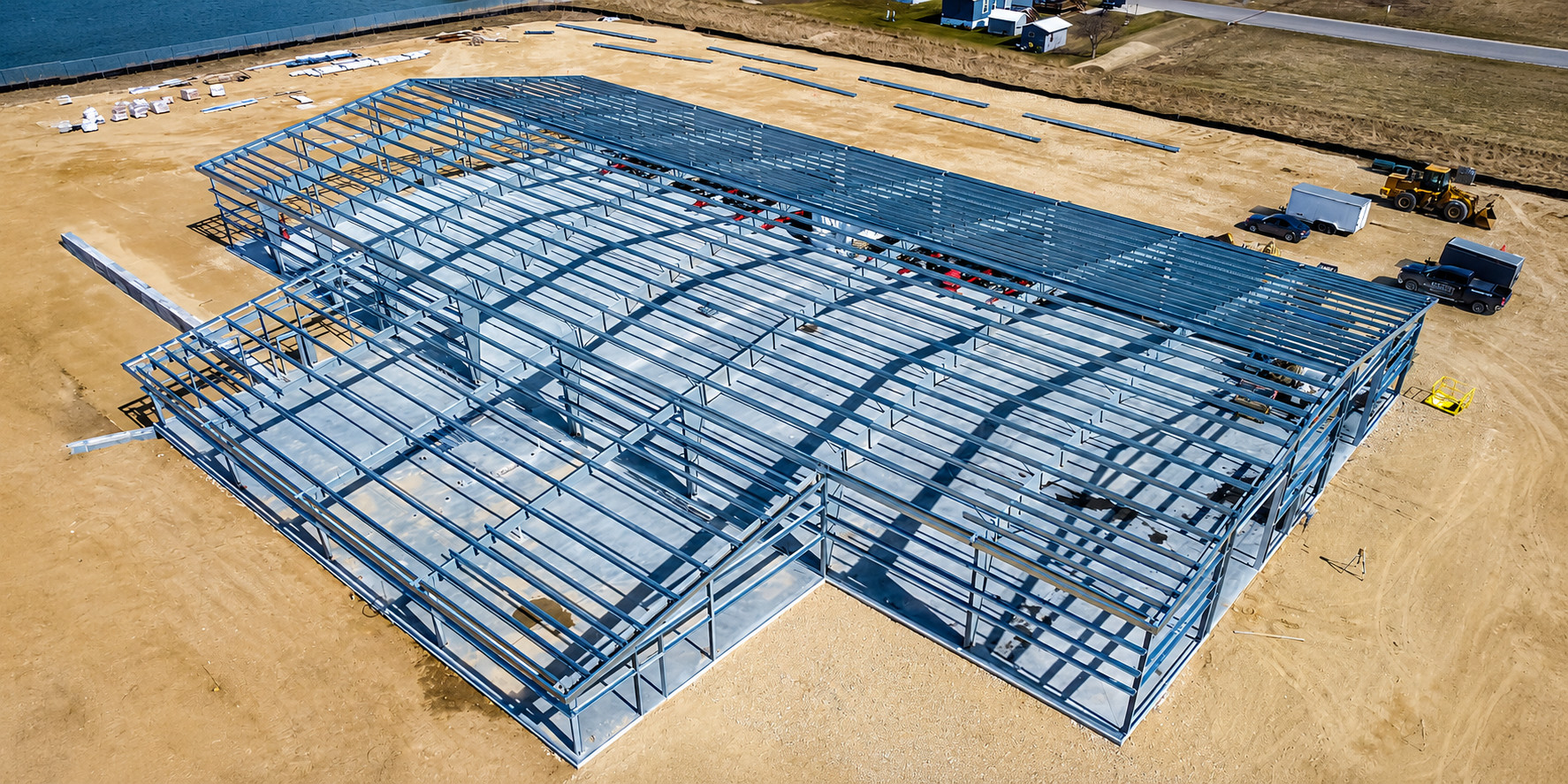
River Bend is the first test. Hut 8 targets delivery of its first data hall in the second quarter of 2027. During the third quarter, the company completed structural steel and building foundations across all four halls and initially energized the campus substation. Beacon Point's first phase targets initial delivery in the third quarter of 2027, while its second phase targets the second quarter of 2028.
The commercial commitments are large. Hut 8 signed a second 352-megawatt information-technology lease at Beacon Point, bringing the campus to 1,000 megawatts under construction. The company estimates about $19.6 billion of base-term contract value and roughly $1.3 billion of average annual net operating income across both Beacon Point phases. Those are contractual estimates, not current revenue, and they depend on completing the facilities and meeting tenant obligations.
Management says River Bend and Beacon Point should be funded at the project level without parent equity issuance or recourse debt. Hut 8 also closed a $1.07 billion revolving credit facility that was undrawn at quarter-end. Its reported cash and investments included restricted amounts, so investors should not treat the entire balance as freely available corporate cash.
Quarterly revenue of $71.1 million was below the consensus figure cited in the original report, but that comparison says little about the leases because the AI campuses are not yet producing rental revenue. The more relevant operating evidence is construction status, final power approvals, financing terms and delivery against the 2027 and 2028 schedule.
Capital allocation adds another layer. Hut 8 sold about 3,102 bitcoin and spent $250 million to repurchase 3,338,479 shares, an average near $75 per share. The board later increased the authorization to $1 billion. Buying shares can increase each remaining holder's ownership, but the decision also exchanged a liquid bitcoin reserve for equity before the campuses began generating revenue.
The upside is a long-duration contracted infrastructure business with materially different economics from mining. The risk is that delays, power constraints, cost overruns or financing changes arrive before rental cash flow. River Bend's first data hall is therefore more than a construction milestone. It is the earliest observable test of whether Hut 8 can turn headline contract values into operating assets without shifting the burden back to shareholders.
Image references: · Wikideas1 (CC0 1.0 Universal)
Frequently asked questions
What is "Hut 8's AI Campus Plan Moves From Contracts to Construction Risk" about?
Hut 8 expanded contracted AI campus capacity, but River Bend delivery, financing and restricted liquidity are now the key tests.
What is the market context?
Hut 8's investment case is moving away from bitcoin mining results and toward a more demanding test: delivering two large artificial-intelligence data-center campuses on time and financing them without issuing parent-company equity. The third-quarter update showed measurable construction progress, new contracted capacity and substantial liquidity, but it also concentrated the next year of…