


 Be The Investor Research
Anthropic Direct Is a Capacity Hedge, Not an AWS Exit
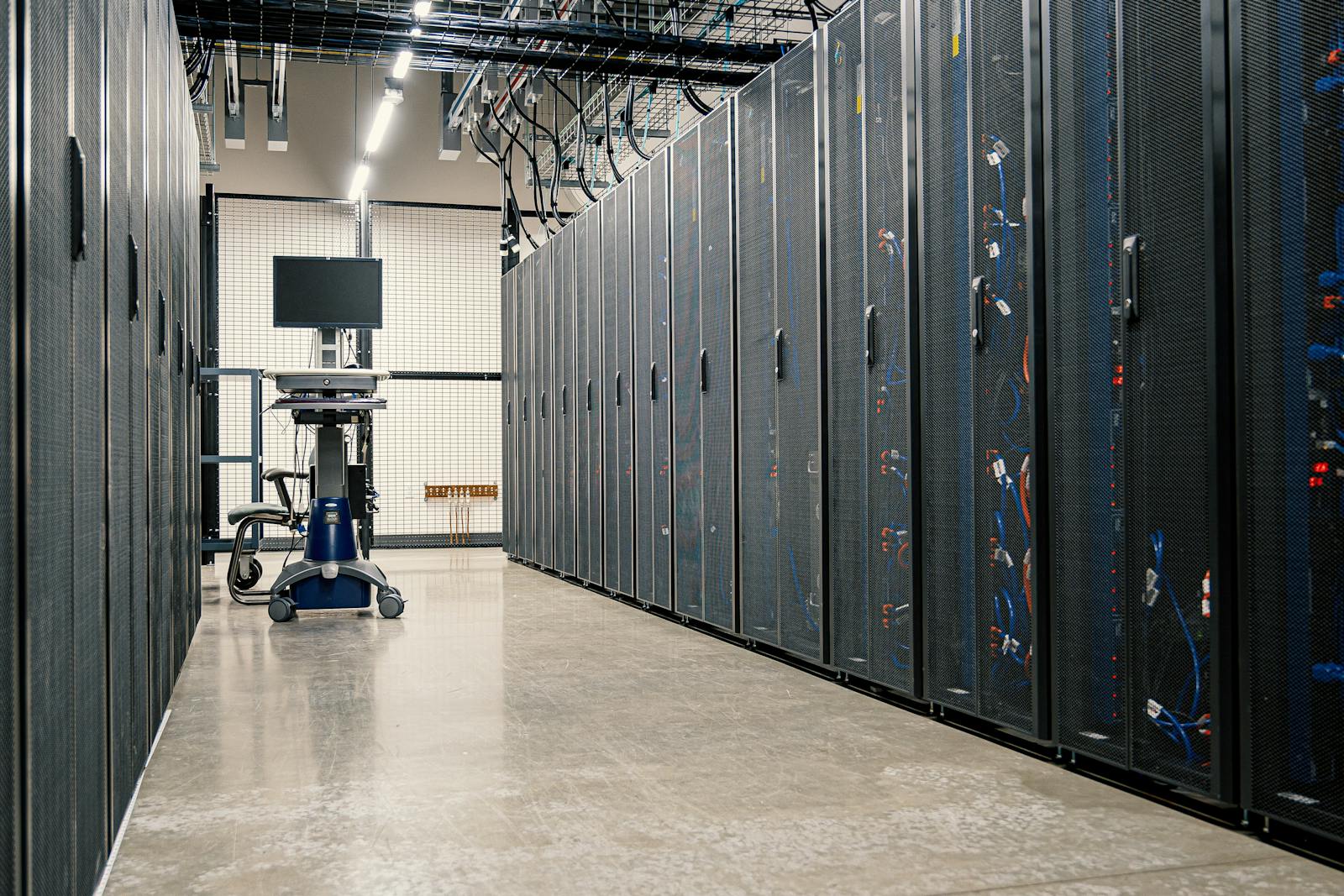
Anthropic is leasing dedicated data centers while keeping large cloud commitments. The shift gives it more control over compute, but AWS still has a fast-growing business and long-dated contracted demand.
Anthropic is adding dedicated data-center capacity, but that does not amount to a clean break from Amazon Web Services. Its S-1 says the company uses a multi-chip strategy across AWS Trainium, Google TPUs, Nvidia GPUs and AMD hardware while expanding data centers leased and operated for Anthropic. The arrangement, called Anthropic Direct, gives the company more control over capacity and hardware deployment.
That strategy creates a real competitive tension. A major cloud customer that leases its own facilities may direct less incremental spending to outside providers than it otherwise would. It can also reduce dependence on companies that sell competing AI models. Yet Anthropic's filing says some compute agreements require payment for capacity regardless of actual use, so dedicated infrastructure does not erase existing commitments.
The scale of Anthropic's balance sheet shows why it can pursue both paths. The company reported raising about $141.1 billion of capital and held $112.4 billion of cash plus $19.3 billion of short-term investments at June 30. Leasing equipment and facilities can spread cash payments over time, but it also creates long-term fixed obligations. If demand or model economics disappoint, unused committed capacity can become a burden.
AWS is not standing still. Amazon reported third-quarter AWS sales of $46.0 billion, up 39% from a year earlier, and AWS operating income of $17.8 billion. Long-term customer commitments not yet recognized as revenue were about $578 billion at September 30, with a weighted-average remaining contract life of 6.1 years. Recognition still depends on customer usage and Amazon's performance, so backlog should not be treated as guaranteed near-term revenue.
Amazon is spending heavily to deliver that capacity. Cash capital expenditures reached $75.9 billion in the third quarter and $172.2 billion for the first nine months of 2026. Trailing-12-month free cash flow was a $42.4 billion outflow, mainly because property and equipment purchases increased sharply for AI infrastructure. Management expects capital spending to rise meaningfully again in 2027.
Anthropic Direct therefore cuts both ways. It is evidence that frontier-model companies want bargaining power and specialized infrastructure, a long-term risk for cloud concentration. It is also evidence that demand is large enough to require multiple supply channels at once. For Amazon investors, the key measure is not whether Anthropic owns some capacity, but whether AWS revenue and operating profit keep scaling fast enough to earn an attractive return on the infrastructure bill.