


 Be The Investor Research
Nvidia's AI Reach Is Systemically Important, but No Bailout Is Guaranteed
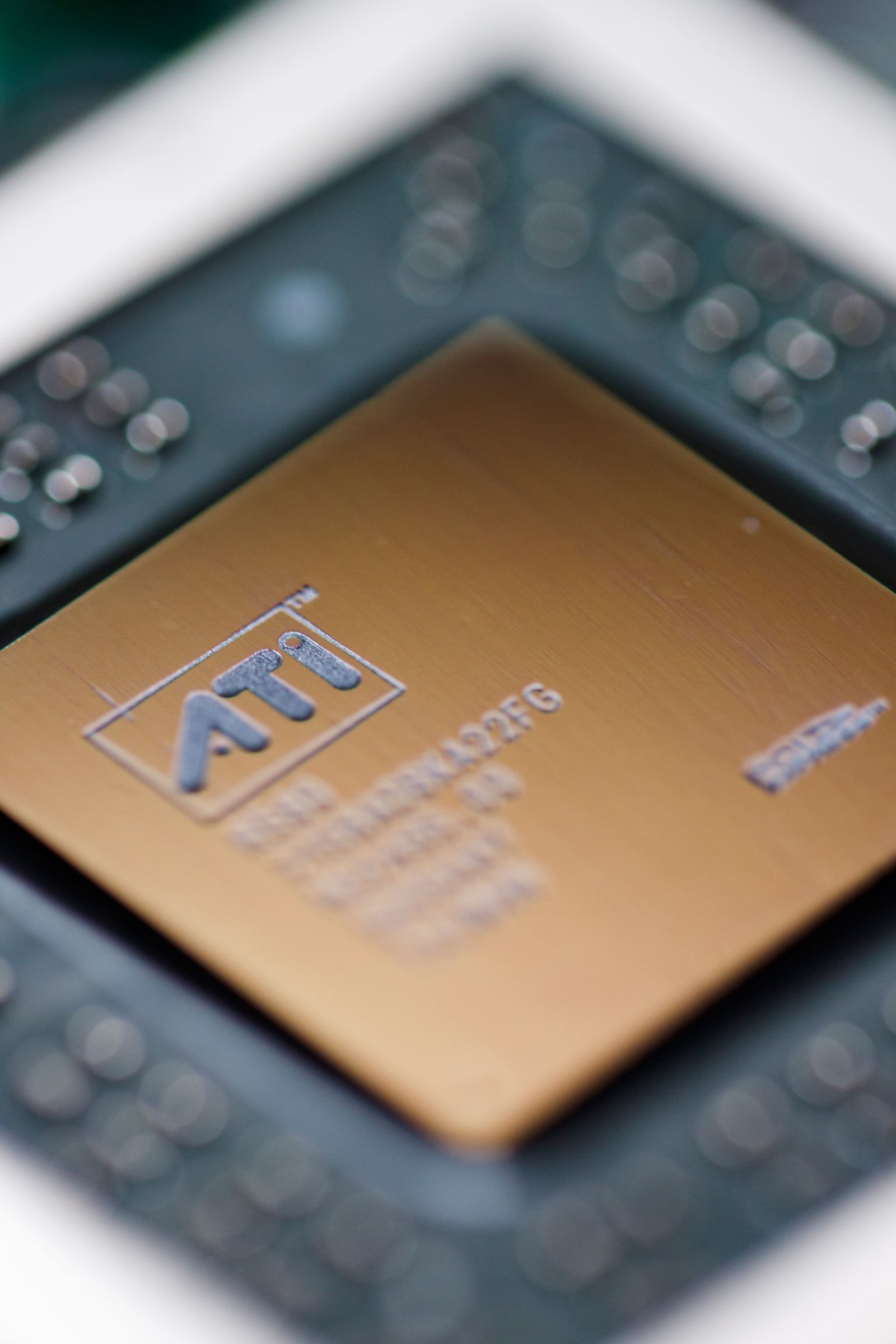
Nvidia's role as chip supplier, investor and index heavyweight makes it unusually important to the AI economy. That interconnection can spread shocks, but it does not protect shareholders or imply a government rescue.
Nvidia has become so central to the AI build-out that a serious problem at the company could affect customers, suppliers, private investments and broad stock indexes at the same time. That is a strong argument for systemic importance. It is not evidence that the U.S. government has promised to rescue Nvidia, or that its shares are protected from losses.
The "too big to fail" claim in the source report comes from Semafor business editor Liz Hoffman, speaking in a podcast discussion. Her reasoning is that Nvidia is no longer only a semiconductor vendor. It supplies the accelerators used by cloud providers and AI developers, invests in companies that depend on its computing ecosystem and holds strategic stakes elsewhere in the chip industry. The more roles one company occupies, the more channels a shock can travel through.
Nvidia's cash generation gives it considerable room to absorb risk. The source report cites nearly $97 billion of free cash flow for the fiscal year ended January 2026 and $40.4 billion of share repurchases. Nvidia's official second-quarter fiscal 2027 release then reported quarterly revenue of $54.9 billion and free cash flow of $21.3 billion. Those numbers describe financial strength, not a government backstop.
Interconnection also creates exposure. Strategic investments can fall in value, customers can delay infrastructure projects and financing relationships can amplify a downturn. A large index weight means a sharp drop can pressure passive portfolios, but index importance alone does not make a company eligible for public support. Any intervention would depend on the cause, the wider economic threat and political choices made during a future crisis.
Meta and Alphabet are not simple counterexamples. Both operate essential digital platforms and spend heavily on AI infrastructure. The source report estimates that their 2025 capital expenditure consumed roughly 60% and 55% of operating cash flow, respectively. Their business models differ from Nvidia's supplier-and-investor role, but financial distress at either company could still affect employees, customers and vendors. Ranking hypothetical rescues is therefore more speculative than measuring actual balance-sheet commitments.
Investors should separate corporate importance from security-holder protection. Governments can support an industry, preserve critical operations or facilitate a restructuring without preventing equity losses. The most relevant indicators remain Nvidia's free cash flow, customer concentration, capital commitments, strategic investments and demand for its next generations of chips. Systemic reach may raise the stakes of a failure; it does not eliminate business, valuation or policy risk.