


 Be The Investor Research
GE Vernova’s Backlog Shows How Power Demand Is Becoming a Multi-Year Infrastructure Cycle
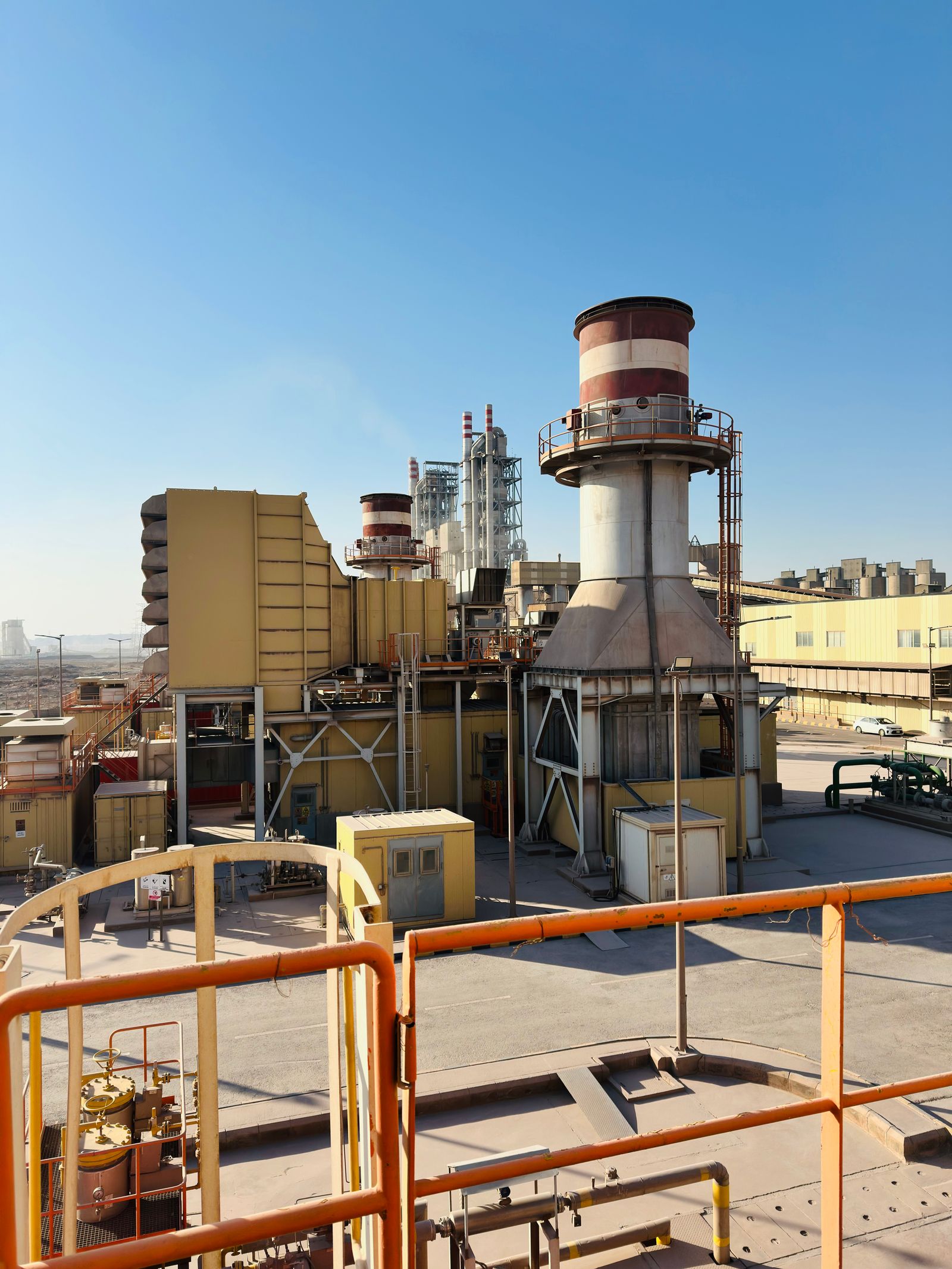
GE Vernova’s backlog is becoming a visible proxy for the global power buildout. Gas turbines, grid equipment and electrification demand are giving the company multi-year visibility, but execution and cash conversion will decide how much of that opportunity reaches shareholders.
GE Vernova’s backlog is becoming a visible proxy for the global power buildout. An investor letter from Barometer Capital highlighted the company’s exposure to gas turbines and grid infrastructure as electricity demand rises across data centers, industrial projects and broader electrification.
The stock had gained strongly over the prior year despite a recent monthly pullback, reflecting investor confidence in a multi-year spending cycle. The attraction is visibility: large power and grid projects can create order books that extend well beyond a single quarter.
Backlog, however, is not the same as cash. Turbines and grid equipment can take years to manufacture and deliver, so factory capacity, project timing and pricing determine how quickly orders become revenue and margin. Rapid demand can improve supplier pricing power, but it can also create execution risk if labor and component constraints become binding.
GE Vernova is exposed to two related investment waves. New generation is needed to meet rising electricity demand, and grid modernization is needed to move that power reliably. If execution remains disciplined, that combination can support growth across multiple businesses rather than relying on one product cycle. Investors should therefore watch backlog conversion and free cash flow as closely as new orders.
Gas turbines are receiving renewed attention because rising electricity demand requires dependable generation as well as renewable capacity. GE Vernova’s exposure to both generation and grid equipment gives it several ways to participate in that buildout.
The size of the backlog can also create pricing power if manufacturing capacity is tight. Customers with multi-year projects value certainty of delivery, which can improve the economics for suppliers that have available capacity and strong service networks.
Execution is the counterweight. Large industrial orders create long production cycles, working-capital demands and project risk. Investors should watch whether GE Vernova can convert backlog without cost overruns or margin erosion. If it does, the company can turn a macro theme around power scarcity into a multi-year earnings and cash-flow story rather than a one-time order surge.
Service revenue can add another layer of durability because installed turbines and grid equipment require maintenance over many years. A large installed base can therefore create recurring economics after the initial project is delivered.
That makes backlog quality especially important. Orders that lead to long service relationships can be more valuable than one-time equipment sales, even if the initial margin looks similar. Investors should watch whether GE Vernova’s growth in new equipment also expands the future service opportunity. If it does, the current power cycle can create a longer tail of earnings than the headline backlog alone suggests.
The demand cycle can also strengthen the service business if more equipment enters the installed base. Service agreements often extend for years and can provide steadier margins than original equipment sales. That means today’s turbine orders may create a second layer of future revenue after installation. Investors should watch whether management discloses growth in service backlog alongside equipment orders. A rising service opportunity would make the current power boom more durable because the company would continue earning from the assets long after the initial project is delivered.
Management’s ability to protect margins through the delivery cycle will be critical. Backlog only creates value when pricing, productivity and execution remain strong enough to keep project economics attractive from order to completion.
A stable conversion from backlog to cash would give the market greater confidence in the multi-year power thesis.