


 Be The Investor Research
FedEx Picks Jamere Jackson to Steer Its Post-Spin Finances
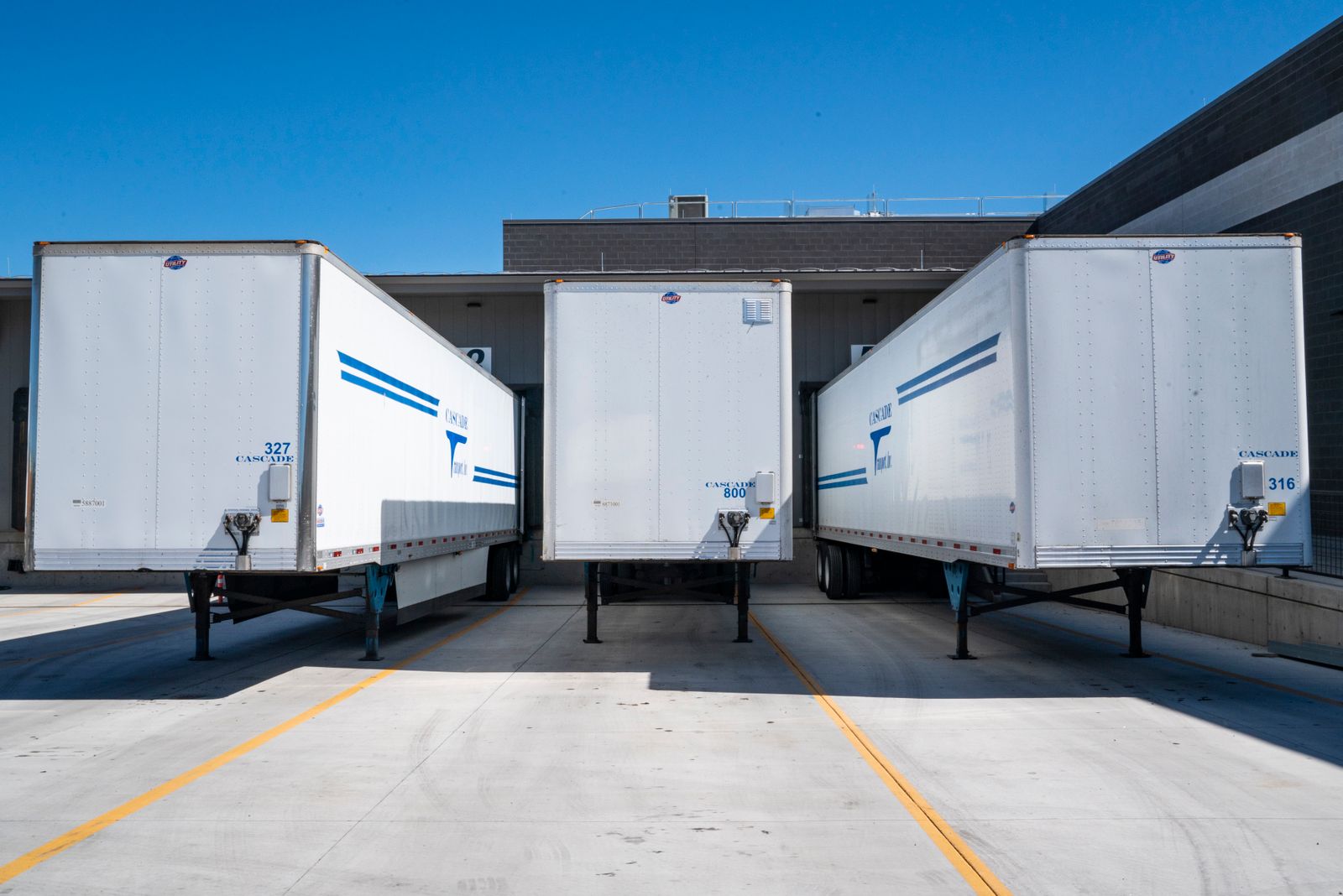
FedEx named AutoZone CFO Jamere Jackson as finance chief during its post-Freight transition. His mandate centers on capital allocation, clearer reporting and execution against higher 2026 guidance.
FedEx has chosen AutoZone finance chief Jamere Jackson as its next chief financial officer, giving a permanent owner to the balance sheet as the delivery company adjusts to life after the FedEx Freight separation. Jackson starts November 30 and replaces Claude Russ, who has served as interim CFO since June 1. The timing makes the appointment more consequential than a routine executive change. FedEx completed the Freight spin-off on June 1, changed its fiscal year-end from May 31 to December 31 and created a seven-month transition reporting period for June through December 2026. It also reorganized internal reporting around Express U.S. Domestic and Express International. Jackson will therefore join while investors are rebuilding comparisons for a reshaped company. Jackson has been AutoZone's CFO since January 2021 and also led its store-development function. He previously served as CFO of Hertz Global Holdings and Nielsen Holdings, held finance leadership roles at General Electric, and chairs Eli Lilly's audit committee. FedEx CEO Raj Subramaniam emphasized Jackson's experience with profitability, cash generation and capital allocation. FedEx's filing sets out a substantial package. Jackson will receive a $1 million annual salary and a $2 million signing bonus paid in November 2026 and November 2027. The bonus is subject to prorated repayment if he resigns before his first anniversary. His target annual incentive for the 2026 transition year equals 120% of eligible earnings. Equity awards add to the package. Jackson will receive transition-year restricted stock units valued at $766,000 and options with a Black-Scholes grant-date value of $191,500, both vesting over three years. A separate $5 million restricted-stock award, also vesting over three years, is intended to replace AutoZone equity that he forfeits. The new CFO inherits a business with stronger current results but several moving parts. Two days after the appointment announcement, FedEx reported calendar third-quarter revenue of $22.9 billion and adjusted operating income of $1.20 billion, up from $20.4 billion and $1.03 billion a year earlier. Adjusted diluted earnings rose to $3.74 from $2.93. Management raised its 2026 adjusted earnings forecast to $18.00 to $18.60 a share. Capital allocation is already prominent. FedEx repurchased $2.0 billion of stock from June through September and had $4.3 billion left under its authorization at September 30. It also used proceeds related to the Freight separation and cash on hand to retire about $4.9 billion of debt. Jackson will have to balance further buybacks and network investment against restructuring costs, trade-policy uncertainty and the company's 2029 financial targets. The appointment removes the uncertainty of an interim finance chief. It does not by itself change FedEx's earnings power, but Jackson's record and compensation place clear emphasis on cash returns and execution. Investors can judge the hire by whether the new reporting structure becomes easier to understand and whether capital deployment improves value per share after the Freight separation.