


 Be The Investor Research
Eco DC Secures 2.1 GW of Turbines for Canadian Data Centers
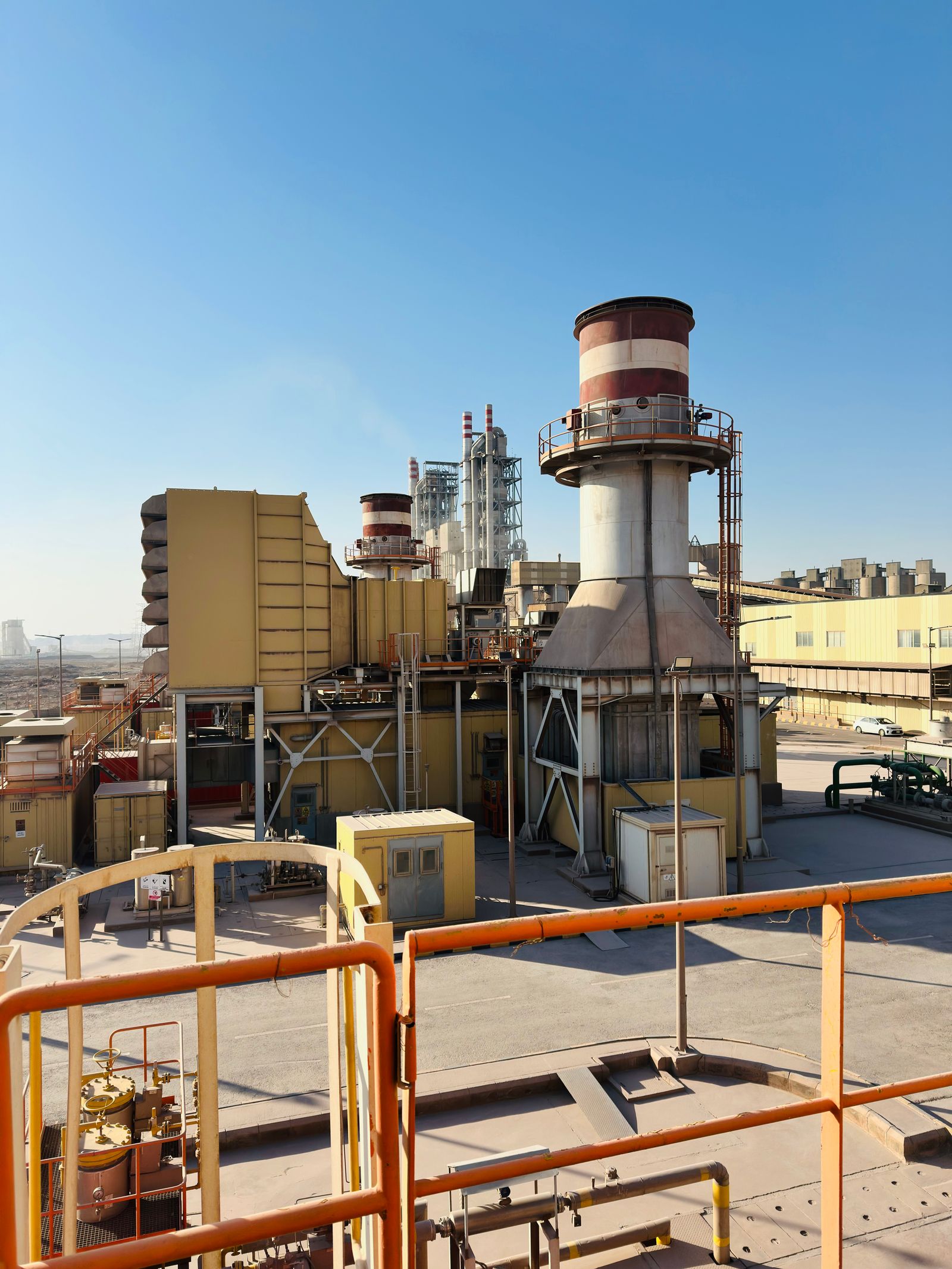
Eco DC Solutions expanded a turbine agreement from 10 to 30 units, targeting more than 2.1 GW of behind-the-meter power for Canadian data centers and supporting over $8 billion of planned generation investment.
Eco DC Solutions says it has secured 30 Dongfang G50 gas turbines for Canadian data-center projects, expanding an earlier 10-unit order and targeting more than 2.1 gigawatts of combined-cycle generation.
Each installation is designed to produce about 70 megawatts in combined-cycle configuration. The turbines would supply power behind the meter, allowing data-center developers to reduce their reliance on grid connection schedules. Eco DC says the equipment commitment supports more than $8 billion of planned power-generation investment.
The attraction is timing. Large turbines have long delivery queues, while grid interconnection and permitting can delay data centers for years. Reserved equipment can remove one bottleneck, but it does not guarantee that a site will secure financing, fuel supply, permits or customers. The announcement gives no delivery schedule for individual turbines, project locations, purchase price or binding data-center contracts.
Eco DC will act as Dongfang Turbine's North American partner and importer. It plans to lead supply, integration, certification and commissioning in Canada, while a new Montreal service organization will provide parts, technical support and long-term maintenance. Dongfang will train the Canadian team, and the packages will carry Eco DC's nameplate.
The companies expect the program to create thousands of construction and trade jobs and hundreds of permanent operating and maintenance roles. Those figures are forecasts rather than current employment. They depend on the planned plants reaching construction and operation.
Natural-gas generation can provide steady power, but projects will still face emissions rules, air permits, fuel-price exposure and questions about long-term carbon policy. The source does not describe carbon capture, emissions intensity or power-purchase terms.
The agreement therefore secures scarce equipment and a service framework, not completed generating assets. Progress should be measured through certified turbine packages, site permits, financing closes and commissioning dates. Until those milestones arrive, 2.1 GW represents planned capacity rather than electricity available to data centers.