


 Be The Investor Research
Dell's AI Server Backlog Is Surging, but Memory Supply Shapes the Timing
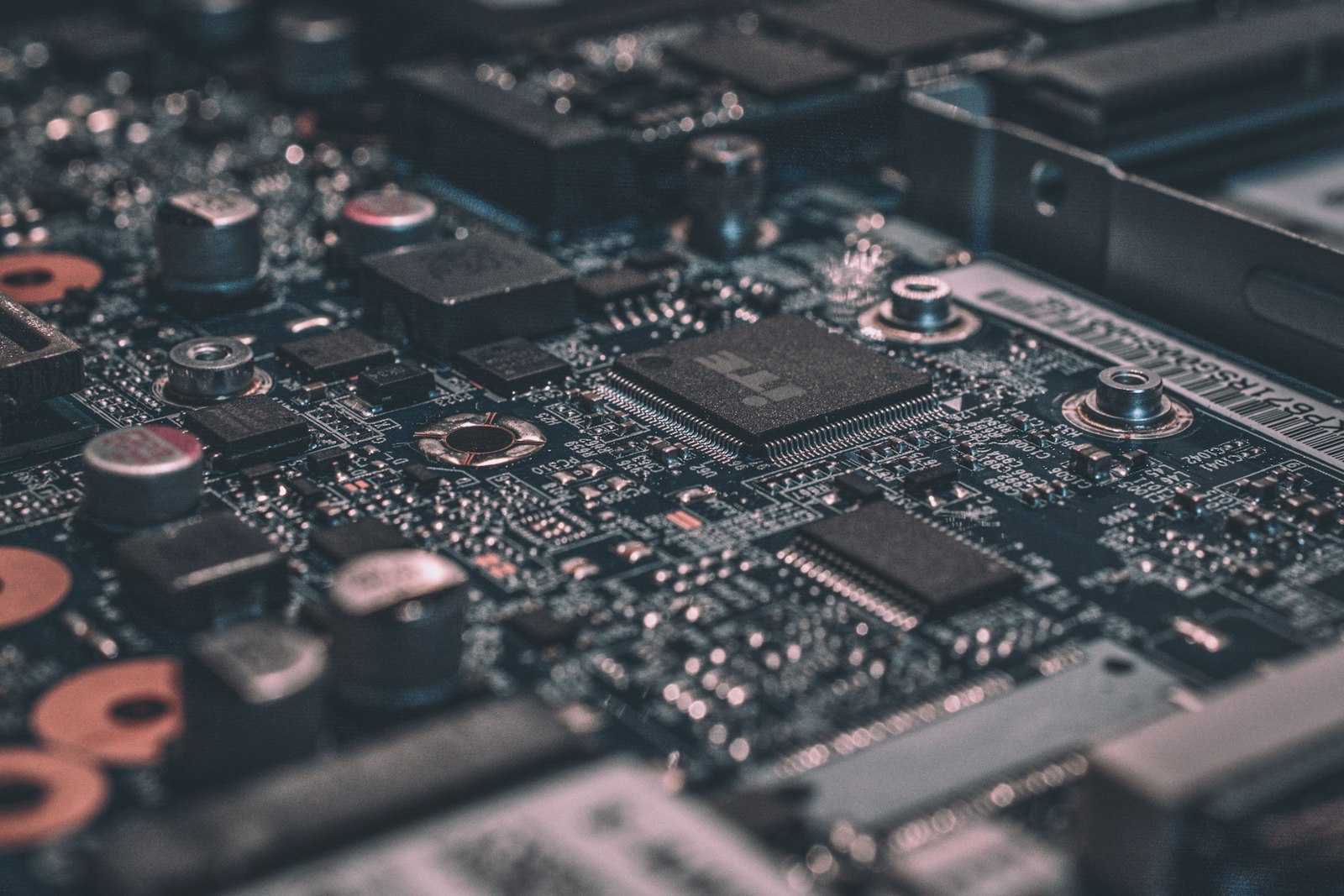
Dell booked $60.9 billion of AI server orders and ended the quarter with a $95 billion backlog. Component constraints show both the strength of demand and the risk that pricing or delayed shipments distort near-term growth.
Dell's fiscal second quarter showed extraordinary demand for AI infrastructure. The company booked $60.9 billion of AI server orders, recognized $16.4 billion of AI-optimized server revenue and ended the quarter with a $95 billion AI server backlog.
Those figures support a strong growth case, but they also make supply constraints central to the timing of revenue. Dell said memory availability remained tight, led by DRAM and followed by NAND, with some CPU shortages. Customers were ordering further ahead to secure components, which can pull demand into earlier periods and make quarterly comparisons harder to interpret.
The same shortage can work in the opposite direction. Customers that cannot absorb higher component prices may delay purchases, while Dell may prioritize scarce memory for higher-value infrastructure products rather than PCs. Investors therefore need to separate order timing, price increases and underlying unit demand.
The reported results still show broad operating momentum. Infrastructure Solutions Group revenue reached a record $31.8 billion, up 89% year over year. Traditional server and networking revenue rose 122% to $10.5 billion, and storage revenue increased 26% to $4.9 billion. The division generated $4.8 billion of operating income.
A $95 billion backlog provides visibility, but backlog is not cash and can depend on component availability, customer deployment schedules and final configuration. The most useful test is whether Dell converts that backlog into revenue without sacrificing margins or building excessive working capital.
For the next report, investors should compare AI server shipments with orders, watch memory costs and examine whether traditional infrastructure demand remains broad. Dell's constraint is currently the ability to deliver, not the absence of customers. That is a favorable problem, but it can still create volatility if expectations assume every order converts quickly.