


 Be The Investor Research
Oil Stocks Hit New Highs, but Producers and Refiners Face Different Bets
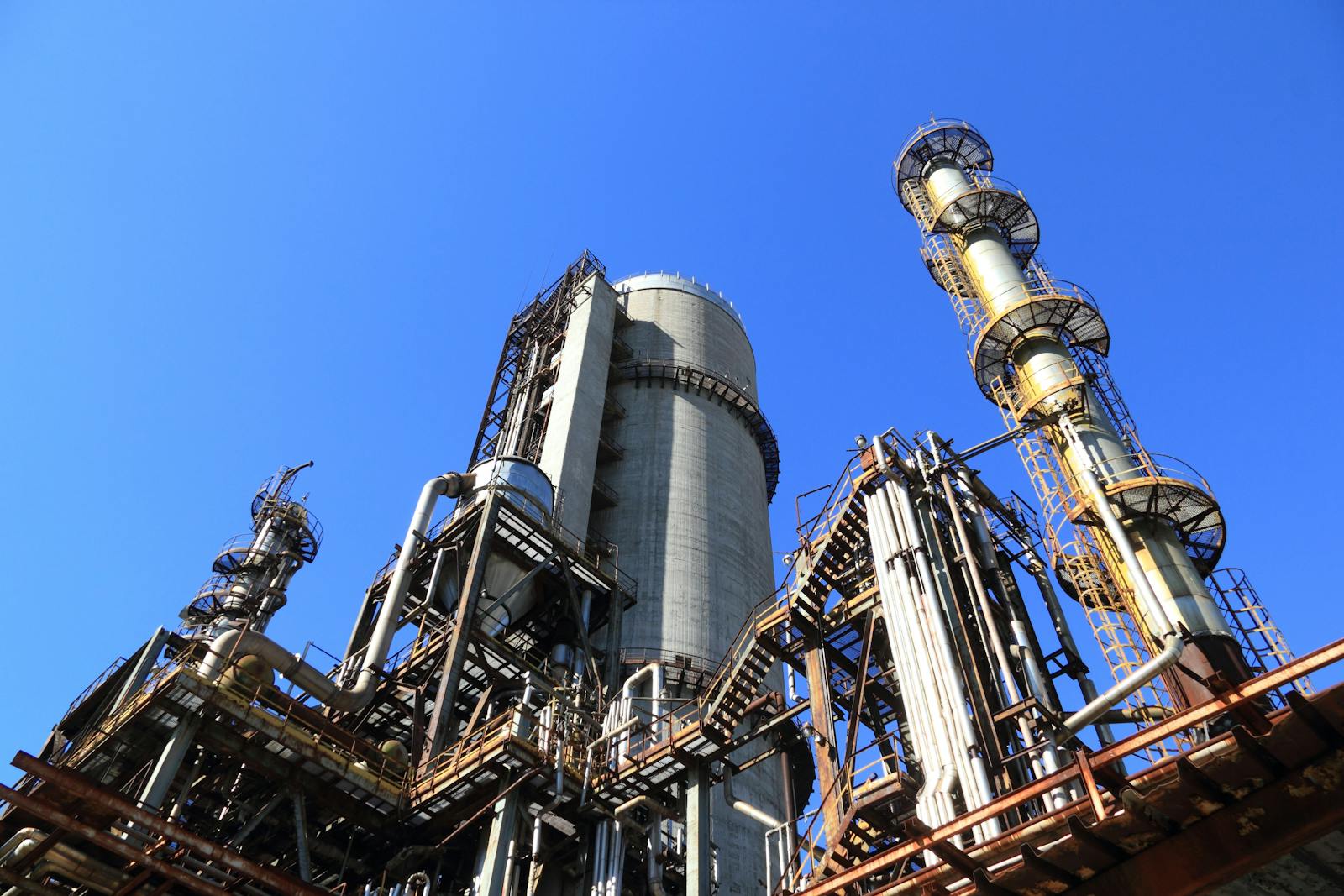
Exxon, Chevron and Marathon Petroleum reached 52-week highs as Brent approached $110. The rally helps each company differently, and intraday records do not remove commodity-cycle or refining risks.
Exxon Mobil, Chevron and Marathon Petroleum reached new 52-week highs as Brent crude approached $110 a barrel, but the same oil rally does not affect all three businesses in the same way.
On October 19, the shares touched intraday highs of $179.30 for Exxon, $225.67 for Chevron and $493.98 for Marathon Petroleum, according to the original market report. Each closed below its high and slightly lower on the session. That detail matters because the event was an intraday record during a volatile commodity move, not a clean broad-market breakout.
Reuters reported that Brent had settled at $109.86 on October 16, its highest level since May, as investors priced possible disruptions from Middle East conflict and attacks on energy infrastructure. Prices remained volatile over the following days as traders weighed supply risks, sanctions policy and possible diplomatic developments.
Higher crude generally supports upstream earnings at Exxon and Chevron because more of each barrel's price can flow into cash generation after production costs. The effect is not one-for-one: production volumes, taxes, hedging, regional price differences and refining margins all matter.
Marathon Petroleum is primarily a refiner. Expensive crude can raise inventory values, but refinery profit depends more directly on the spread between the cost of crude and the prices of gasoline, diesel and other products. Reuters reported that the conflict-driven environment had sharply increased expected downstream profits across the industry. A high oil price alone is therefore an incomplete explanation for Marathon's performance.
The original report estimated year-to-date gains of roughly 48% for Exxon, 47% for Chevron and about 200% for Marathon Petroleum through October 19. Those returns make expectations more demanding. Investors should separate a temporary geopolitical premium from sustainable cash flow and watch management's choices on debt, capital spending and buybacks.
The next major evidence will come from third-quarter results. Strong commodity prices can lift cash quickly, but they can also encourage overinvestment. New highs show how much the market values near-term scarcity; they do not repeal the energy cycle.