


 Be The Investor Research
Chevron vs. PepsiCo: Dividend Safety Depends on Different Risks
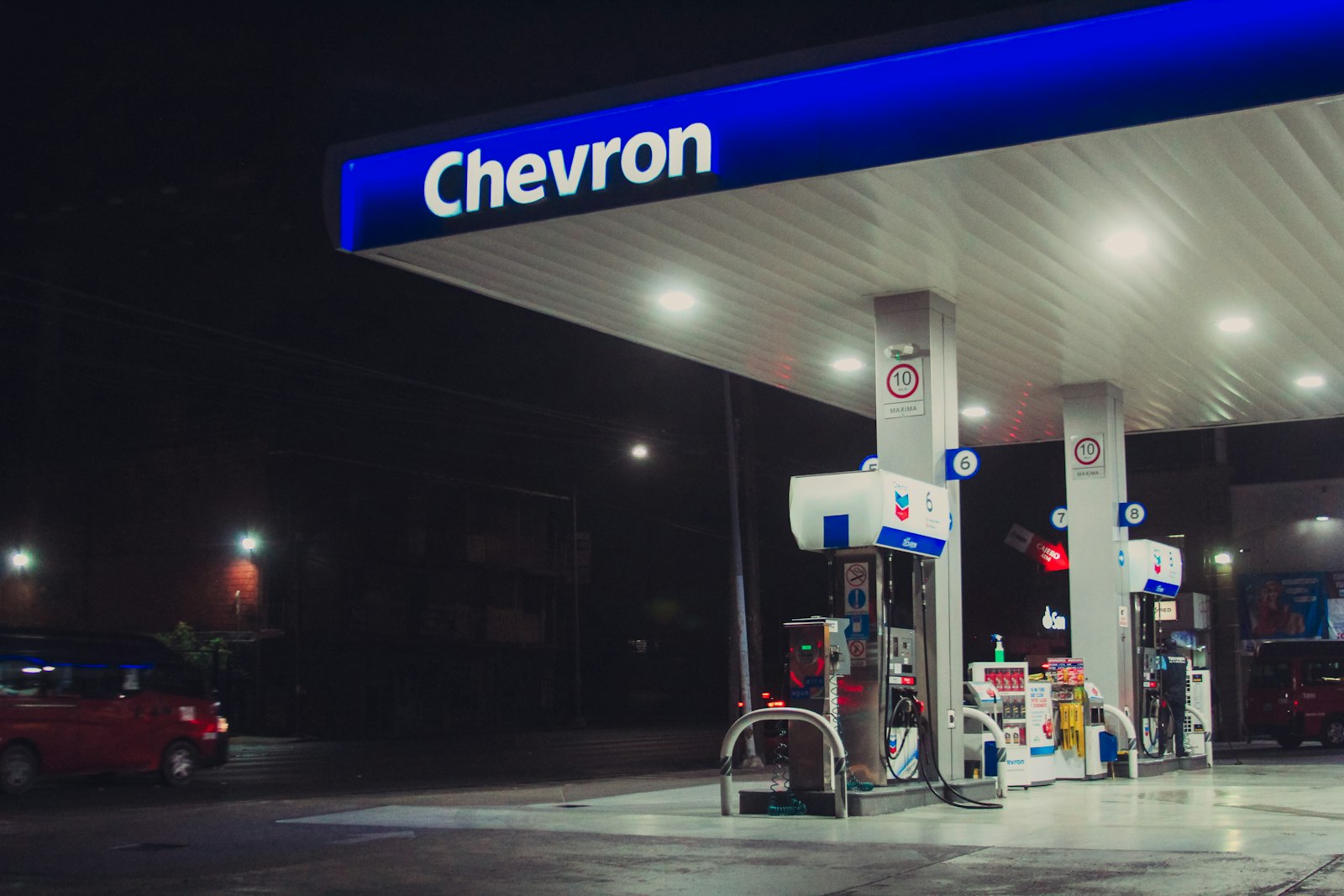
Chevron's dividend has more current cash-flow room, while PepsiCo offers the higher yield and less direct commodity-cycle exposure. PepsiCo's slower earnings outlook makes free-cash-flow recovery the decisive issue.
Chevron and PepsiCo can both appeal to income investors, but their dividend risks come from different places. Chevron depends on oil prices. PepsiCo depends on turning pricing, volume and cost control into free cash flow.
PepsiCo's October 8 update lowered expected 2026 core earnings-per-share growth to 2.5% to 3.5%, down from the low end of its previous 5% to 7% range. Third-quarter revenue still rose 5.6% and core EPS increased 2%. The company kept planned 2026 cash returns at $8.9 billion, including $7.9 billion of dividends. That preserves the payout, but slower earnings growth leaves less room if North American beverage weakness and input costs persist.
Chevron entered the comparison with stronger near-term cash generation. Second-quarter earnings were $12.1 billion, production rose 20% and debt fell by $8.4 billion. It has also increased its annual dividend for 39 consecutive years. The weakness is cyclicality: the same oil prices supporting current cash flow can fall quickly if supply disruptions ease or demand softens.
PepsiCo generally offers the higher current yield and a business built on frequent consumer purchases. That stability is valuable, but the source article's long-range dividend projections assume growth rates continue for two decades. Such mechanical forecasts are not evidence that cash flow will keep pace, so they should not decide the comparison.
Chevron currently has the stronger dividend cushion. PepsiCo's case improves if operating cash flow grows faster than the dividend and North American volume stabilizes. Chevron's case weakens if lower crude prices expose how much recent coverage depended on an unusually favorable quarter.
Investors choosing between them should watch different figures: free-cash-flow conversion and North American performance at PepsiCo, and realized oil prices, production and net debt at Chevron. Those operating measures matter more than the starting yield alone.