



Bitcoin's $80,000 Test Is About ETF Cost Basis, Not a Magic Line
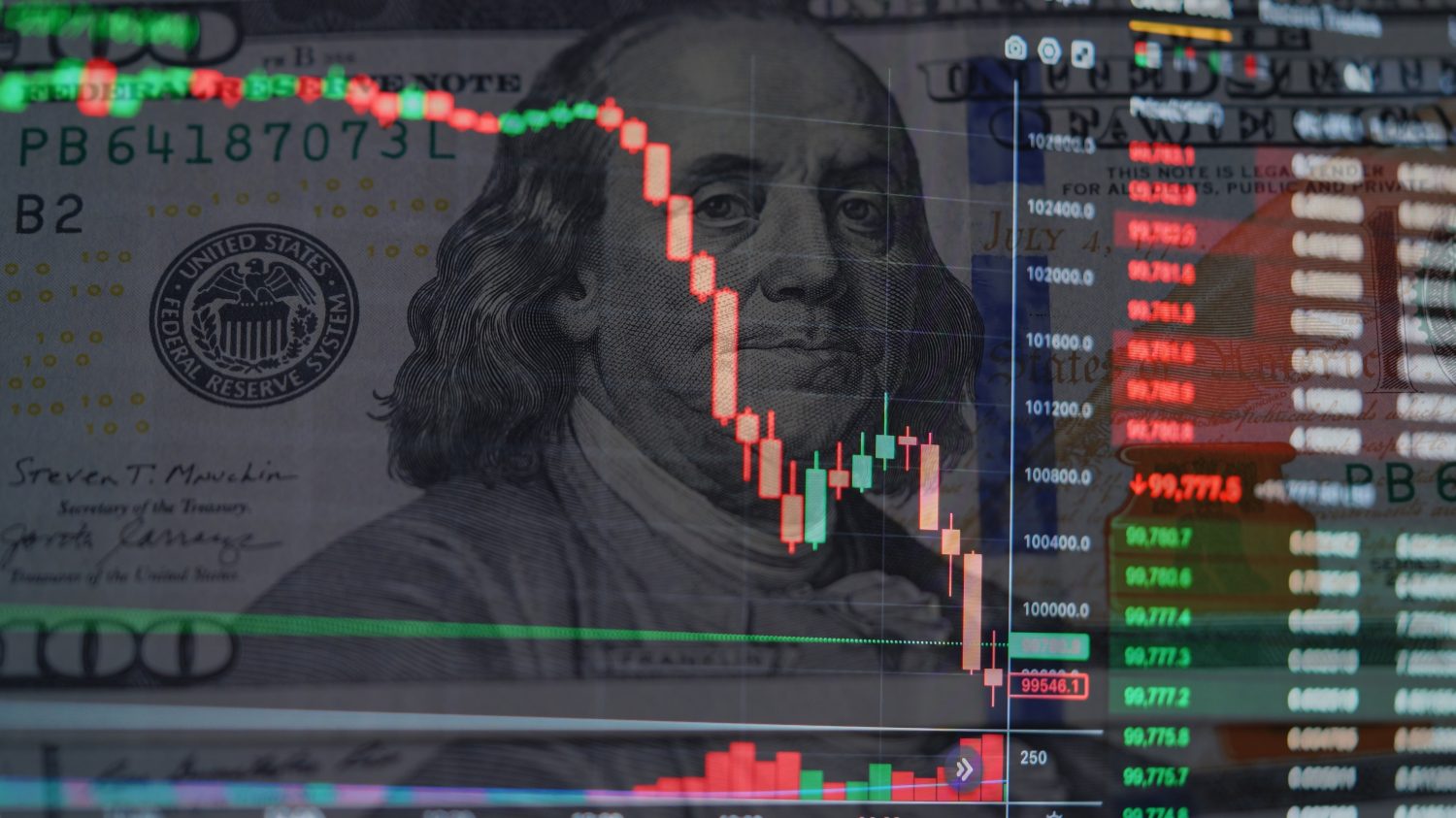
Bitcoin's break below $80,000 put recent ETF buyers near losses after a $635.5 million outflow. Leverage and thin weekend trading make $77,600 a reference, not a forecast.
Bitcoin briefly fell below $80,000 over the weekend, putting the market close to the estimated cost basis of U.S. spot exchange-traded fund investors. The level matters because a large group of recent buyers can move from gains to losses together, but it is not a mechanical floor.
The decline followed a sharp reversal in ETF flows. U.S. spot Bitcoin funds recorded a net outflow of about $635.5 million on October 22, the largest daily outflow since June, after more than $500 million flowed in the previous session. One day of redemptions does not establish a lasting trend, but it shows how quickly institutional demand can change.
Glassnode estimated the ETF investor cost basis near $81,500, according to CryptoSlate. Bitcoin was also below its 20-day and 50-day moving averages in the source analysis, leaving many recent buyers with paper losses. If those holders reduce exposure at the same time, selling can reinforce the initial decline.
Leverage adds another layer. The source reported that the largest cluster of net long positions was entered near $81,993, with most of the dollar value above the latest market price. Exchanges can forcibly close leveraged long positions when losses consume collateral. Those liquidations create market sell orders and can accelerate a drop even when long-term demand has not changed.
The weekend timing also complicates interpretation. Reports of possible U.S. and Iranian escalation pushed investors away from risk while stock and bond markets were closed. Bitcoin's continuous trading made it one of the few liquid assets available for immediate hedging. Lower weekend volume can exaggerate price moves, and the initial dip below $80,000 quickly reversed.
Why does $77,600 appear in the discussion? Glassnode identified it as a downside reference near the active-investor cost basis if Bitcoin fails to recover the $80,000 to $81,500 area. It is a data point drawn from prior transaction prices, not a guaranteed target. Price can turn before it, pass through it or remain range-bound.
Bitcoin also held up better than Ether and Solana during the same risk-off period, suggesting that its deeper ETF and treasury-company ownership offered some relative support. The next useful signal is not a single intraday print. It is whether ETF flows stabilize, leverage clears without cascading sales and Bitcoin can close back above the recent buyer cost range.