



Carrier's Data-Center Orders Surge as Cooling Capacity Expands
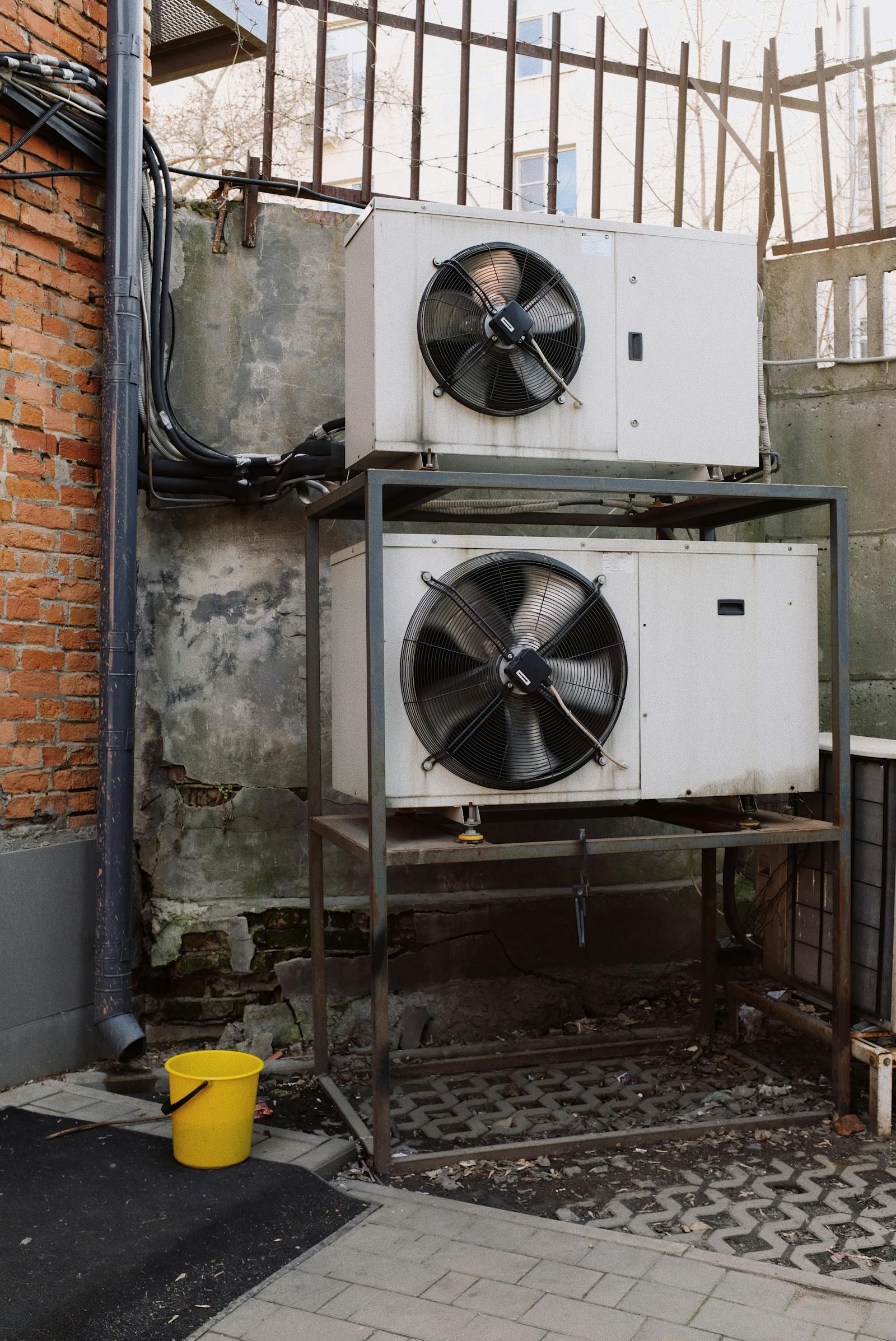
Carrier's data-center orders and backlog accelerated as it introduced larger chillers and coolant distribution units, but a European impairment and elevated input costs show why execution still matters.
Carrier is turning data-center cooling into a larger part of its growth plan. Third-quarter data-center orders rose about 300% companywide, contributing to a record backlog above $8.5 billion, while new high-capacity chillers and coolant distribution units broadened the products it can sell to hyperscalers and colocation operators.
The demand is already visible in reported results. Carrier's third-quarter sales increased 12% to $6.26 billion, with organic sales up 15%. Adjusted operating profit rose 33% to $1.09 billion, and adjusted operating margin expanded 260 basis points to 17.4%. Operating cash flow reached $813 million and free cash flow was $674 million.
Commercial HVAC was the strongest part of the portfolio. Carrier said total company orders rose about 35%, commercial HVAC orders increased about 60% and data-center orders climbed about 300%. In the Americas segment, the company reported roughly 400% growth in data-center orders, reflecting an even stronger regional mix. The different percentages use different scopes and should not be treated as contradictory.
Management said data-center sales exceeded $550 million in the quarter and remained on track for about $2 billion for the full year. Year-to-date data-center orders exceeded $3 billion. Carrier also signed a long-term agreement with a hyperscale customer worth more than $3 billion, with minimum volume commitments that are additive to the reported backlog.
Product development is helping Carrier pursue that demand. The company introduced 2-megawatt and 3-megawatt air-cooled chillers and is rolling out coolant distribution units ranging from 1 megawatt to roughly 5 megawatts. These systems address the higher heat density created by AI computing. Management acknowledged early supply-chain and product-launch problems, but said dual sourcing should reduce those issues as 2027 begins.
Capacity is the next constraint. Carrier is opening a manufacturing facility in Fort Worth, Texas, that is expected to employ 1,500 people and begin deliveries next summer. Management says the site will more than double its Americas capacity. That expansion can support the backlog, but it also raises the importance of on-time commissioning and cost control.
The quarter included material offsets. Carrier recorded a $3.1 billion non-cash goodwill impairment tied to its Climate Solutions Europe unit. GAAP operating loss was $2.27 billion and GAAP EPS from continuing operations was a loss of $3.16, even though adjusted EPS rose 30% to $0.87. The company also cited tariffs, inflation, fuel and other input pressures. A $130 million benefit from IEEPA-related refunds helped the quarter, but management does not expect that benefit to keep offsetting higher costs.
Carrier now expects 2026 sales of $23.8 billion to $24.0 billion, organic growth of about 10%, adjusted EPS of $2.85 to $2.90 and free cash flow near $2 billion. The guidance combines strong data-center demand with weaker European economics and uncertain input costs.
For investors, the most important change is not merely that Carrier sells chillers. The company has signed multi-billion-dollar commitments, expanded its cooling range and committed manufacturing capacity to a backlog that is 60% above the prior year. The next test is whether those orders convert into revenue and cash without the launch issues or cost pressures eroding the margin gains already reported.