


 Be The Investor Research
Bloom Energy's Election Selloff Has Not Reached Its Order Book Yet
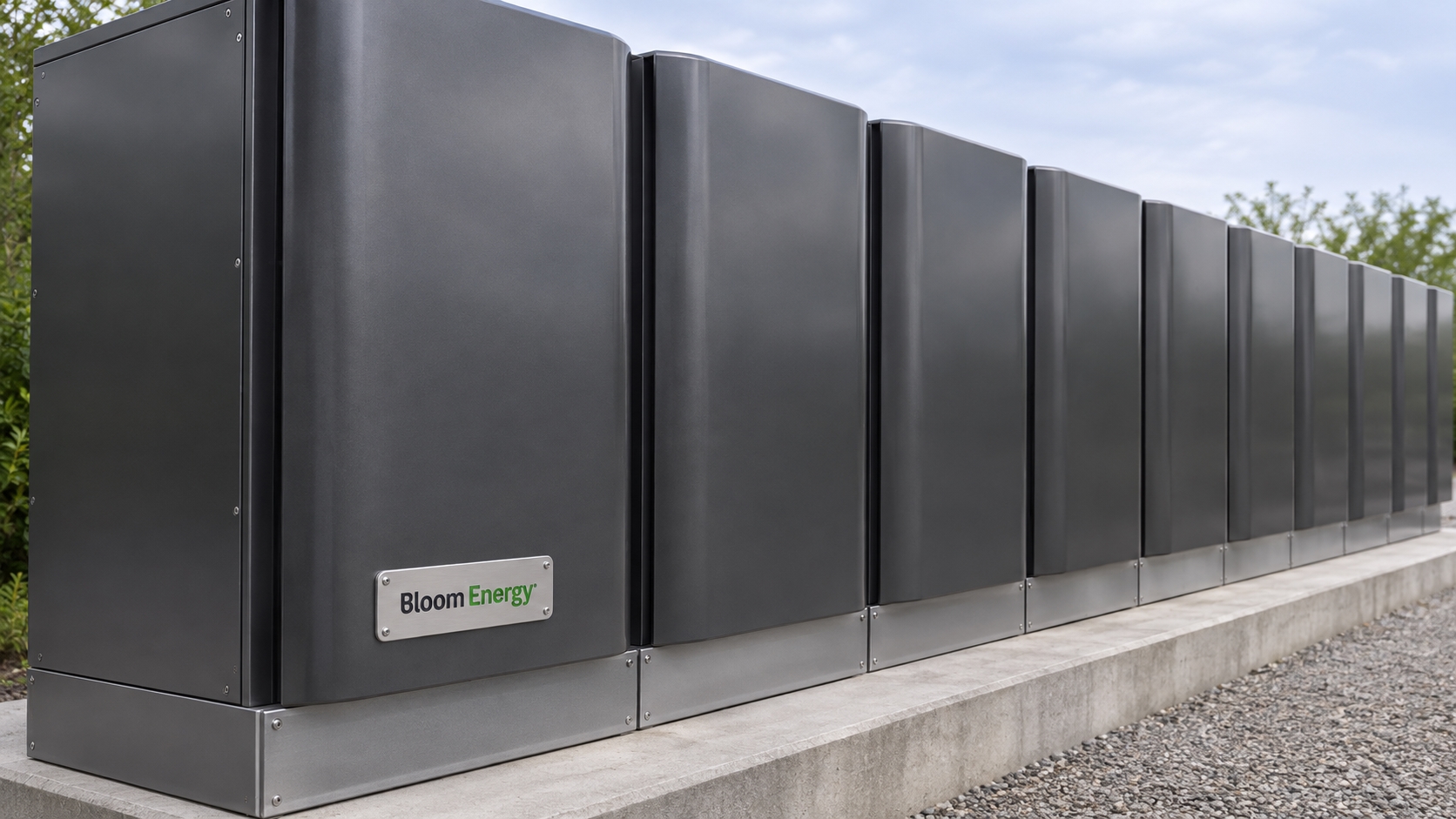
Bloom Energy fell with AI infrastructure stocks, but third-quarter revenue and guidance still point upward. The unresolved issue is whether tighter data-center rules delay projects before deposits become cash.
Bloom Energy's 8% decline after the election was a sector reaction, not a response to weaker company guidance. Investors sold data-center power and construction names on concern that tighter rules could slow new campuses. Bloom's latest results still show rapid growth, but its cash flow and project timing make that policy risk worth watching.
Bloom reported third-quarter revenue of $1.24 billion, up 138.1% from a year earlier. Product revenue increased 179.4%, while gross margin rose 4.53 percentage points to 33.8%. Management raised full-year revenue guidance to $4.4 billion to $4.6 billion, with the midpoint representing 122% growth.
Those numbers argue against calling the selloff evidence of a current demand collapse. The original article also noted that analysts expect earnings to rise sharply through 2028 and that customer deposits have increased. Forecasts and deposits can support visibility, but neither is the same as completed revenue or free cash flow.
Bloom's third-quarter free cash flow was negative, according to the original report, as contract assets expanded. That is the central caveat. Rapid growth can consume cash when the company builds equipment, recognizes project assets or waits for customer payments. A project delay can therefore hurt working capital before it appears as a formal cancellation.
Bloom also differs from grid utilities. Its fuel cells can provide on-site power, which may help customers facing long utility interconnection queues. That advantage does not make Bloom independent of data-center construction. If customers postpone campuses, the associated power systems can be delayed as well.
The post-election move therefore combines two separate judgments. The first is that political control could produce tighter permitting or environmental rules. The second is that those rules would reduce total data-center construction rather than merely shift location or technology. Neither link has been proven by Bloom's current financial results.
Investors should watch three items: conversion of deposits and contract assets into cash, order and installation timing, and whether management changes its 2026 guidance. Until those measures weaken, the share-price drop is primarily a repricing of future risk. If projects begin slipping or free cash flow remains negative despite rapid revenue growth, the market's concern will have stronger operating support.
Image references: · Bloom Energy (Factual reference; copyright retained by the owner.)
Frequently asked questions
What is "Bloom Energy's Election Selloff Has Not Reached Its Order Book Yet" about?
Bloom's revenue and guidance remain strong after an election-driven selloff, but negative free cash flow and project timing are the key risks.
What is the market context?
Bloom Energy's 8% decline after the election was a sector reaction, not a response to weaker company guidance. Investors sold data-center power and construction names on concern that tighter rules could slow new campuses. Bloom's latest results still show rapid growth, but its cash flow and project timing make that policy risk worth watching. Bloom reported third-quarter revenue of $1.24 billion,…
When was this article published?
It was published on 05 / 11 / 2026 by Be The Investor Research.