


 Be The Investor Research
The iPhone-in-Bitcoin Ratio Shows How Dramatically BTC Purchasing Power Has Changed
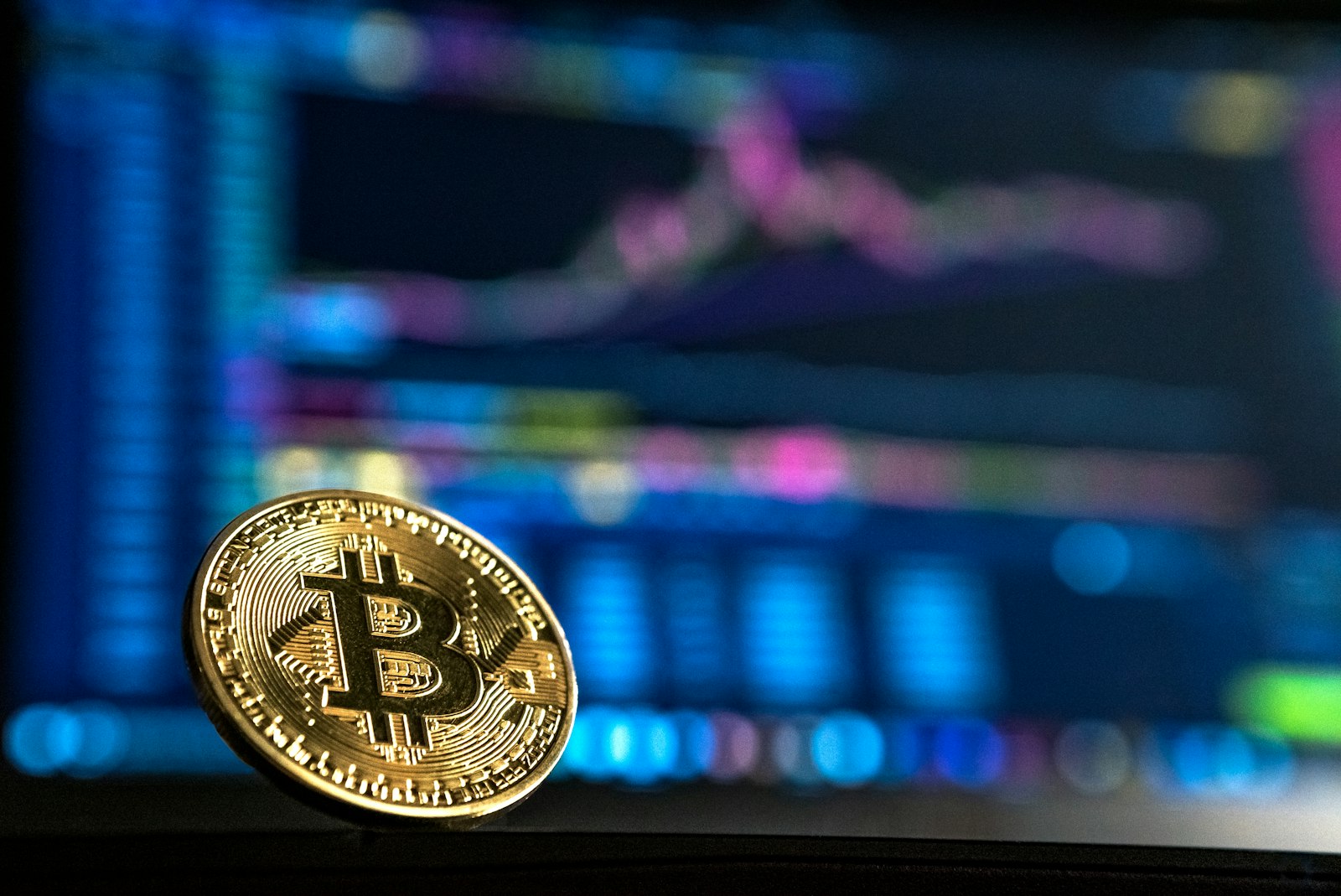
An iPhone 4S cost roughly 162 Bitcoin at its 2011 launch, while recent iPhones require only a small fraction of one coin. The ratio is a striking illustration of Bitcoin appreciation, but it is not a valuation model.
One of the simplest ways to visualize Bitcoin’s long-term appreciation is to stop pricing Bitcoin in dollars and instead price a familiar consumer product in Bitcoin.
The iPhone provides a useful example.
CoinGecko estimates that an iPhone 4S, launched in October 2011 at $649, cost about 162.25 BTC when Bitcoin was trading near $4.
By the launch of the iPhone 17 in 2025, an $799 phone cost roughly 0.0072 BTC using CoinGecko’s launch-date methodology.
That is a decline of more than 99.9% in the amount of Bitcoin needed to buy a new iPhone.
The supplied Benzinga article extends the idea into 2026 and notes that a single Bitcoin can now buy dozens of premium iPhones.
The exact ratio changes with the Bitcoin price, the iPhone model selected and the date used for comparison.
That methodological detail is important.
The ratio is not a fixed economic statistic.
It is simply the iPhone’s dollar price divided by Bitcoin’s dollar price at a particular moment.
If Bitcoin rises sharply while the iPhone price stays roughly stable, the number of Bitcoin required falls.
If Bitcoin falls, the ratio can move back in the opposite direction even if Apple does not change the phone’s price.
That makes the comparison a purchasing-power illustration rather than a measure of intrinsic value.
It is still a powerful one.
Consumer electronics are useful because product prices have not risen remotely as fast as Bitcoin over the full period.
The iPhone 4S cost $649 at launch in 2011. CoinGecko’s 2025 comparison used a base iPhone price of $799.
The dollar price increased modestly over that period, while Bitcoin moved from single-digit prices to six figures before later volatility.
The majority of the ratio change therefore came from Bitcoin, not from the phone.
The data also show why cherry-picking the year can distort the story.
Bitcoin did not appreciate in a straight line.
CoinGecko’s table shows the amount of BTC required to buy an iPhone rising in some years when Bitcoin declined, including from 2014 to 2015 and again during later bear markets.
The long-term trend was dramatic, but the path was volatile.
That is a more useful lesson for investors than the headline percentage alone.
Bitcoin can gain enormous purchasing power over long periods while experiencing deep drawdowns along the way.
The comparison also has limits as an inflation hedge argument.
An iPhone is not a representative basket of household expenses.
Technology products benefit from productivity improvements, global supply chains and intense competition.
Housing, health care, food and services behave differently.
A fall in the Bitcoin cost of an iPhone does not prove that Bitcoin protects purchasing power against every category of inflation.
It also does not tell investors whether Bitcoin is cheap or expensive today.
Valuation requires assumptions about future adoption, supply, demand, liquidity and risk.
A historical purchasing-power ratio cannot provide those answers.
Where the metric is useful is communication.
Saying Bitcoin rose by thousands of percent can be abstract. Showing that a product once priced at more than 100 BTC can now be bought with a tiny fraction of a coin makes the scale of the historical move easier to understand.
For long-term holders, that is the real significance.
Bitcoin’s fixed supply schedule combined with rising demand has produced a dramatic change in what one coin can purchase.
Whether that trend continues is a separate investment question.
BTI’s bottom line: the iPhone-in-Bitcoin ratio is a striking visual of Bitcoin’s historical appreciation, not a valuation tool. The amount of BTC required to buy a new iPhone has collapsed since 2011 because Bitcoin appreciated far faster than the phone’s dollar price. Investors should use the ratio to understand historical purchasing power, while remembering that future returns depend on adoption, liquidity and demand rather than on what an iPhone cost in the past.