


 Be The Investor Research
Starlink Becomes an Airline Standard as United and American Scale Up
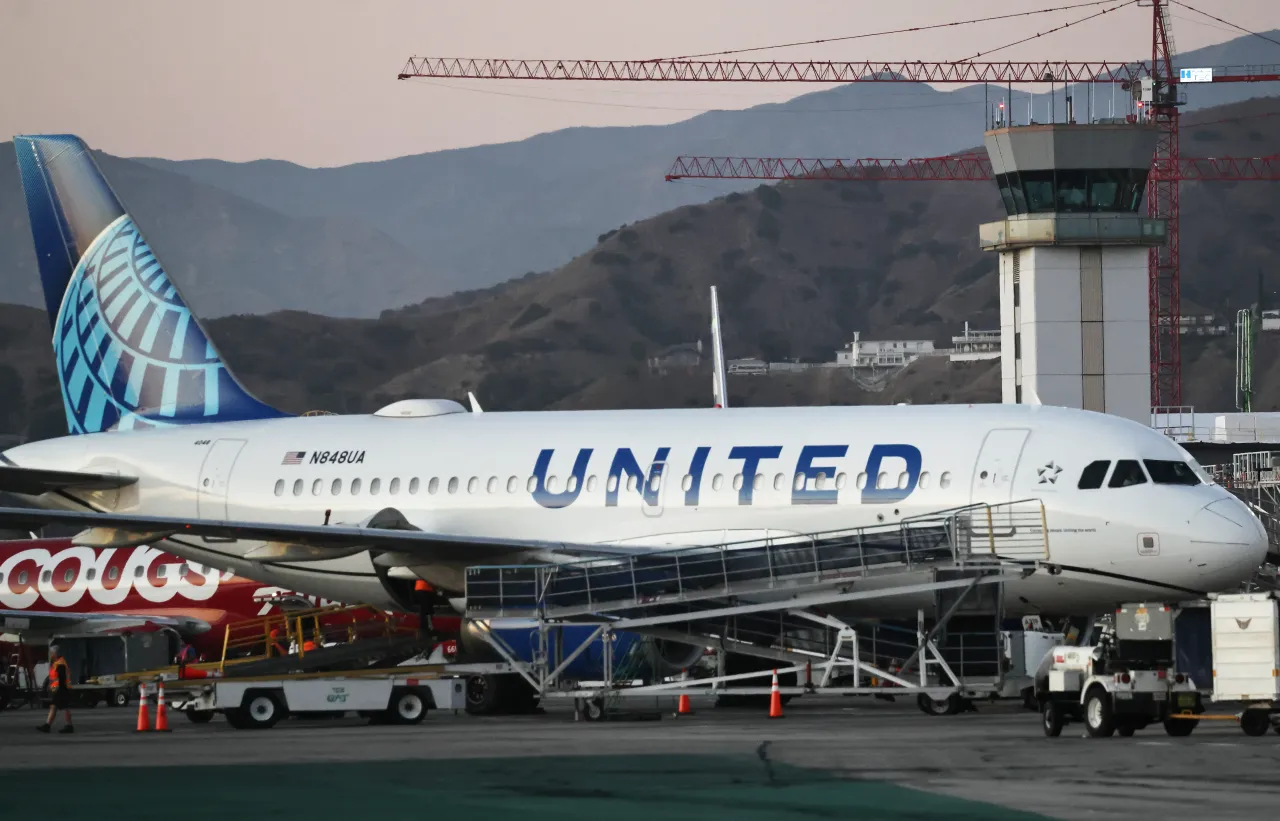
United says Starlink now reaches nearly half its daily flights, while American plans a rollout across more than 1,000 mainline aircraft. Free high-speed connectivity is becoming a competitive requirement, not a niche perk.
Starlink is moving from an airline experiment to a fleet-wide expectation. United Airlines says the service is available on more than 635 aircraft and nearly half of its daily flights. American Airlines, meanwhile, plans to install Starlink across its entire mainline fleet of more than 1,000 aircraft beginning in 2027.
United is adding installations at roughly 20 aircraft per week and expects to complete the program by the end of 2027. It also launched a public tracker so customers can check whether a specific aircraft has the service. United says about 250,000 passengers per day can now access Starlink across roughly 2,500 flights.
American's plan expands a previous commitment covering more than 500 Airbus aircraft to every mainline jet, including narrowbody and widebody planes. The carrier had already introduced free high-speed Wi-Fi for AAdvantage members, sponsored by AT&T. Starlink adds a faster and more consistent network to that customer proposition.
The competitive consequence is broader than internet speed. Airlines increasingly use connectivity to support loyalty enrollment, streaming, work and personalized onboard services. When one carrier offers reliable free Wi-Fi across a large fleet, rivals risk turning paid or slower service into a visible disadvantage.
The economics still require scrutiny. Installation takes aircraft out of service, equipment costs are material and the airline pays ongoing service fees. Outside estimates have put American's equipment and installation cost in the hundreds of millions of dollars, but neither American nor United has published a complete program return calculation.
For investors, the rollout is unlikely to move near-term earnings by itself. Its value should appear through customer satisfaction, loyalty participation and the ability to defend premium revenue. The clearest evidence will be whether airlines with broad Starlink coverage gain repeat business without allowing installation and service costs to erode margins.