


 Be The Investor Research
Sandisk’s selloff exposes a NAND pricing risk Nvidia cannot resolve
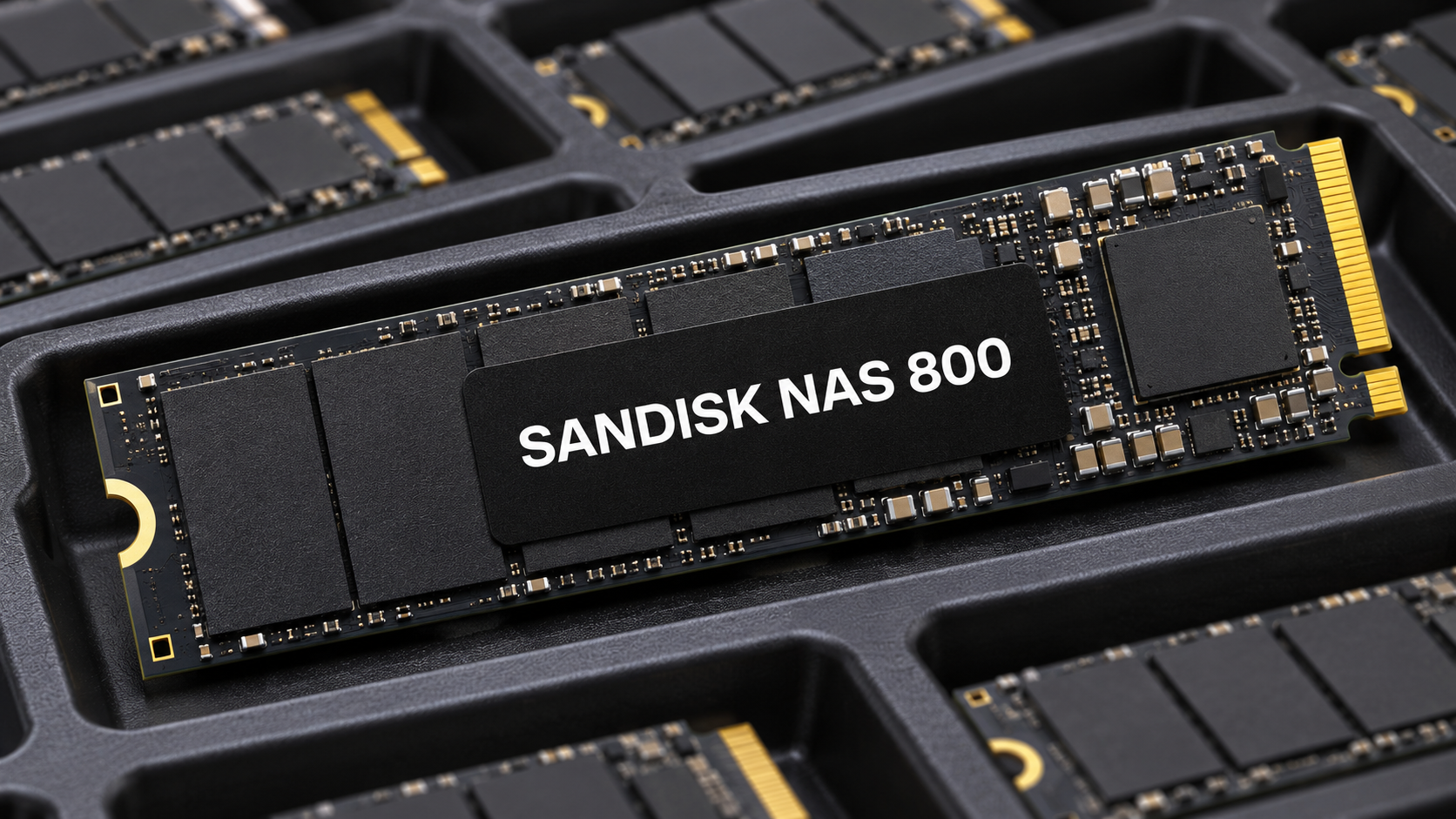
Sandisk joined a November 16 selloff in memory shares before Nvidia’s results. Its manufacturing partner Kioxia offers a more direct signal for the flash business: prices rose again last quarter, but not nearly as fast.
Sandisk fell about 8% at TIKR’s November 16 snapshot, as memory stocks slid ahead of Nvidia’s earnings. But one of the clearest signals for Sandisk came from a Japanese company that makes flash memory alongside it. Kioxia said its dollar selling prices rose by a mid-20s percentage in the September quarter, after an increase of about 70% in the preceding quarter, according to Bloomberg. Prices were still rising. They were no longer rising nearly as fast.
The distinction matters because Sandisk sells NAND flash, the chips that retain data in solid-state drives. Micron and SK Hynix also sell flash, but they are direct suppliers of high-bandwidth memory, or HBM, used to feed data to AI processors. An update on Nvidia’s accelerator shipments is therefore a more direct demand signal for HBM than for what Sandisk will earn on each unit of flash. Seagate, which relies heavily on hard drives, also fell even though its latest quarterly revenue rose 61% from a year earlier to $4.23 billion. The declines do not identify a single shock shared by all these businesses.
Sandisk’s reported gross margin reached 85.0% in the quarter ended October 2, up from 29.8% in the comparable quarter a year earlier. Revenue was $11.03 billion, including $4.80 billion from data-center customers. Kioxia’s recent flash prices include changes in the mix of products it sells; on a like-for-like basis, it put the September-quarter increase in the low 30s. Neither figure is Sandisk’s own selling price, but the slowdown offers a reason to separate an exceptionally profitable quarter from what the next one may earn.
Nvidia is due to report November 17, its first earnings release since Jensen Huang stepped down as chief executive. Its August filing said supply and capacity commitments rose to $279 billion at July 26 from $119 billion at the end of the prior quarter. That covers mainly memory and manufacturing facilities, not signed purchases from any one company. Some agreements can be rescheduled, adjusted or canceled before firm orders, Nvidia said. The size of the commitments gives a sense of the buildout; without a vendor breakdown it cannot tell investors what Sandisk will ship.
TIKR put Sandisk at about 3.6 times forward earnings before the November 16 decline, versus a one-year average of 10.1 times in its series. The comparison depends on analysts expecting adjusted earnings per share to more than triple in fiscal 2027, and estimates must be put on the same share basis once the eight-for-one split takes effect. Nvidia’s results can test broad AI demand this week. Sandisk’s December-quarter results and its next guidance will be the closer test of whether flash volumes, contract pricing and product mix can sustain today’s margin.
Continue your MU research
Image references: · מקור ייחוס · מקור ייחוס
Frequently asked questions
What is "Sandisk’s selloff exposes a NAND pricing risk Nvidia cannot resolve" about?
Sandisk fell with memory peers. Kioxia’s slowing flash price gains and Nvidia’s supply commitments tell investors different things about future margins.
Which stocks and assets does this article cover?
This article relates to MU, SKHY, STX, NVDA.
What is the market context?
Sandisk fell about 8% at TIKR’s November 16 snapshot, as memory stocks slid ahead of Nvidia’s earnings. But one of the clearest signals for Sandisk came from a Japanese company that makes flash memory alongside it. Kioxia said its dollar selling prices rose by a mid-20s percentage in the September quarter, after an increase of about 70% in the preceding quarter, according to Bloomberg. Prices…